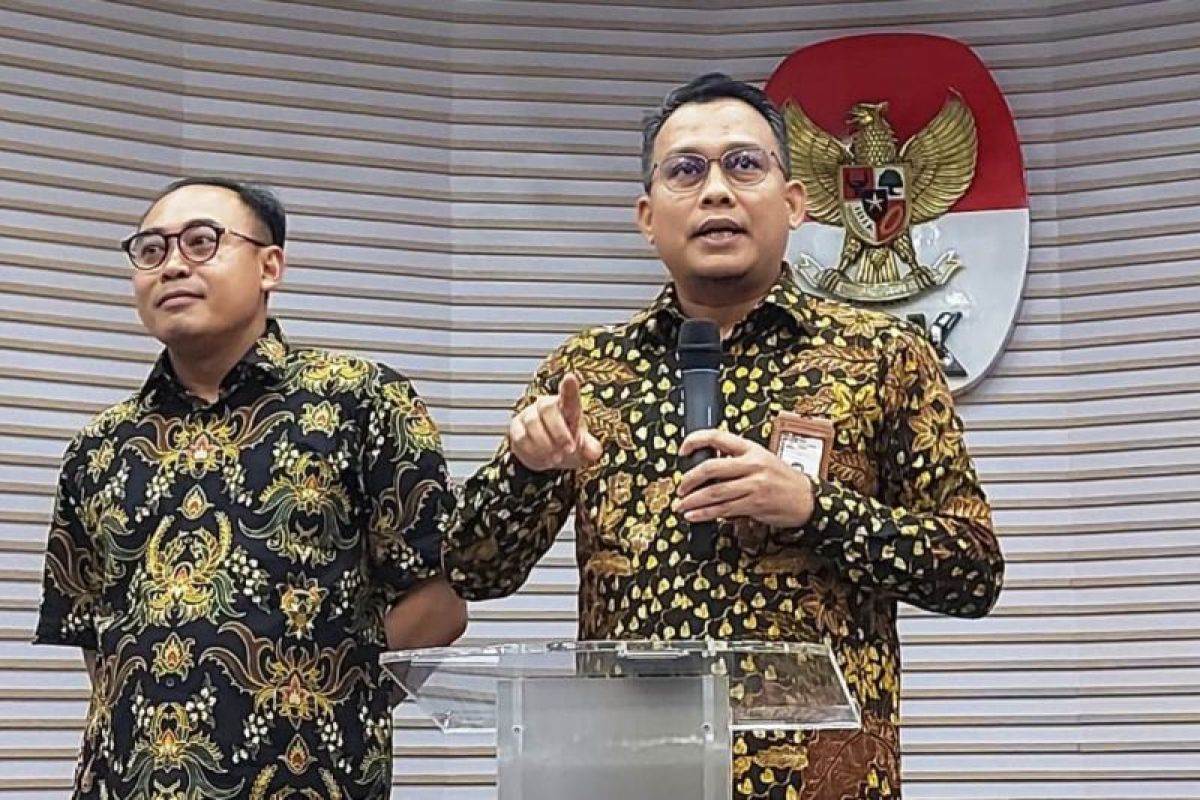
The key witness in a corruption case related to safety and health certifications (K3) in Indonesia, Roni Sugiyarto, disclosed that he paid approximately 100 million rupiah annually to facilitate obtaining the necessary certificates from the Ministry of Labor. These statements were made during a trial session at the Corruption Court in Jakarta, where Sugiyarto indicated that such practices are not new and have persisted through previous administrations.
Sugiyarto, who serves as the director of PT Barito Sarana Karya, explained that the amounts paid were considered as non-technical funds, requiring him to pay 250,000 rupiah for each certificate. This amount was reduced from 500,000 rupiah after negotiations with the relevant authorities.
Details of the Case
During the session, Sugiyarto confirmed that corrupt practices were ongoing, with payments made to facilitate obtaining the Operator Certificate (SIO). He noted that the total amount he pays annually hovers around 100 million rupiah, reflecting the scale of corruption within the system.
The case involves corruption in the management of health certificates, with former Deputy Minister of Labor, Emmanuel "Noel" Ebenezer Girongan, accused of extorting applicants for the certificates. The illegally obtained amounts have been estimated at around 6.52 billion rupiah.
Background & Context
This corruption case is part of a larger issue facing Indonesia, where complaints about corruption in various government sectors are on the rise. Historically, there have been numerous instances where corruption has been uncovered in different ministries, leading to a loss of trust in the government.
In recent years, the Indonesian government has taken steps to combat corruption; however, this case highlights the ongoing challenges it faces. Corruption in the health certification system reflects inefficiencies and negatively impacts worker safety.
Impact & Consequences
This case raises significant concerns about worker safety in Indonesia, as health certificates are essential for ensuring a safe working environment. Corruption in this area can lead to dire consequences for public health and worker safety, necessitating urgent government intervention.
Moreover, this issue may affect Indonesia's reputation in the international community, as corruption can hinder foreign investments and impact economic growth.
Regional Significance
Corruption issues in developing countries, including Indonesia, are of particular importance to Arab nations, as many countries share similar challenges. Corruption affects economic and social development, requiring international cooperation to combat this phenomenon.
Given the economic challenges faced by Arab nations, Indonesia's experience can serve as an important lesson regarding the significance of transparency and accountability in government institutions.