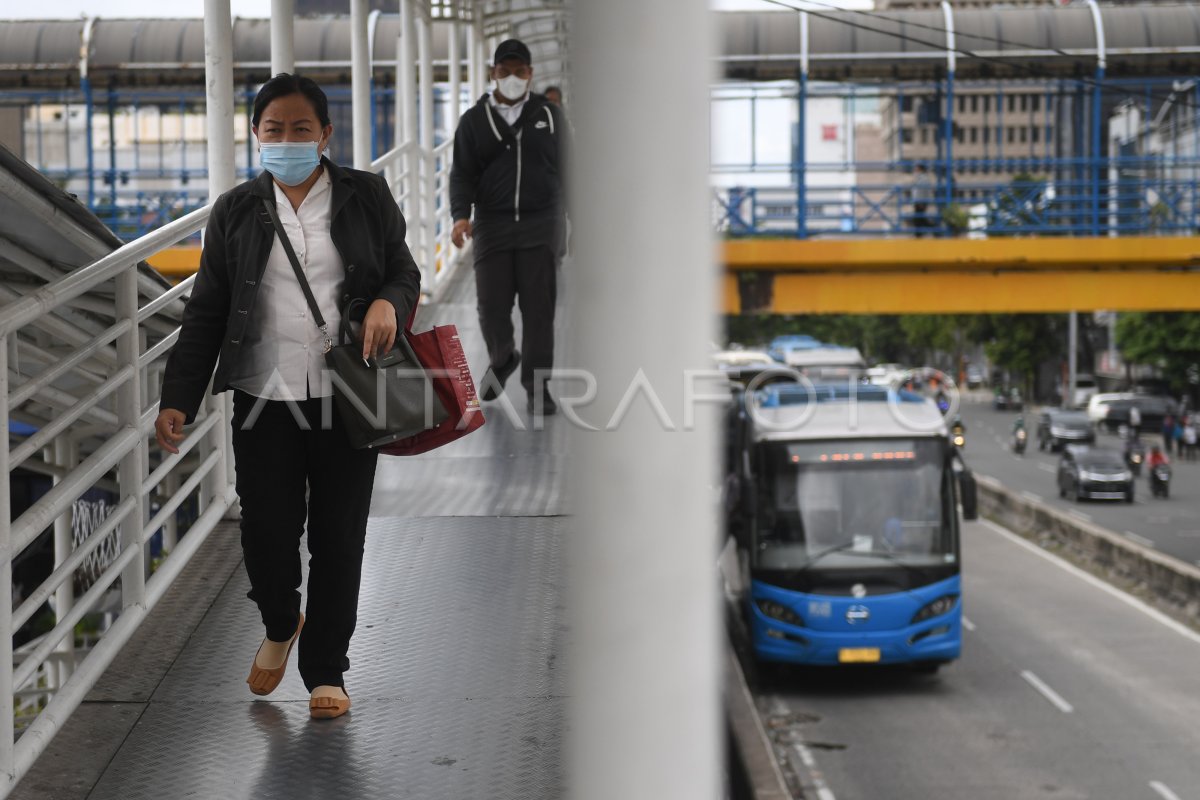
The Jakarta government has announced a study to adjust the ticket prices for Transjakarta services, which have remained unchanged since 2005, currently priced at 3,500 rupiah. This move comes in light of continuously rising operational costs driven by inflation and energy prices.
Shaku Hakim, advisor to the Governor of Jakarta, confirmed that the price adjustment study is a natural step, noting that operational costs have significantly increased since the current fare was set. He clarified that this study does not imply a final decision to raise prices, but rather an assessment of the current situation.
Details of the Event
Transjakarta ticket prices have remained stable for over 21 years, raising questions about the sustainability of this fare amidst economic changes. Hakim pointed out that the government considers citizens' purchasing power and the overall economic conditions before making any decisions regarding price adjustments.
He also emphasized that the final decision on price adjustments will rest with the Governor of Jakarta and the local parliament, through the public budget mechanism.
Background & Context
Since 2005, Indonesia has experienced numerous economic and social changes. Wages have risen significantly, with the minimum wage at that time around 800,000 rupiah, now reaching approximately 6 million rupiah. This substantial difference raises questions about the ability of ticket prices to keep pace with these changes.
Transjakarta services are a vital part of Jakarta's transportation system, relied upon by many residents for their daily commutes. Therefore, any price adjustment could significantly impact citizens' lives.
Impact & Consequences
If a decision is made to increase prices, citizens may struggle to afford transportation costs, potentially leading to a decline in public transport usage. This situation could negatively affect traffic flow in the city, as some individuals may revert to using private vehicles.
On the other hand, adjusting prices could enhance service quality, as additional revenues could be used to develop infrastructure and maintain the fleet, including electric buses.
Regional Significance
This issue is important not only for Indonesia but may also have implications for Arab countries facing similar challenges in public transportation systems. Many Arab cities suffer from rising operational costs against fixed fares, necessitating innovative solutions to ensure the sustainability of transport services.
In conclusion, the decision to adjust Transjakarta ticket prices lies with the government, but it is evident that there is an urgent need to review prices to align with economic changes.