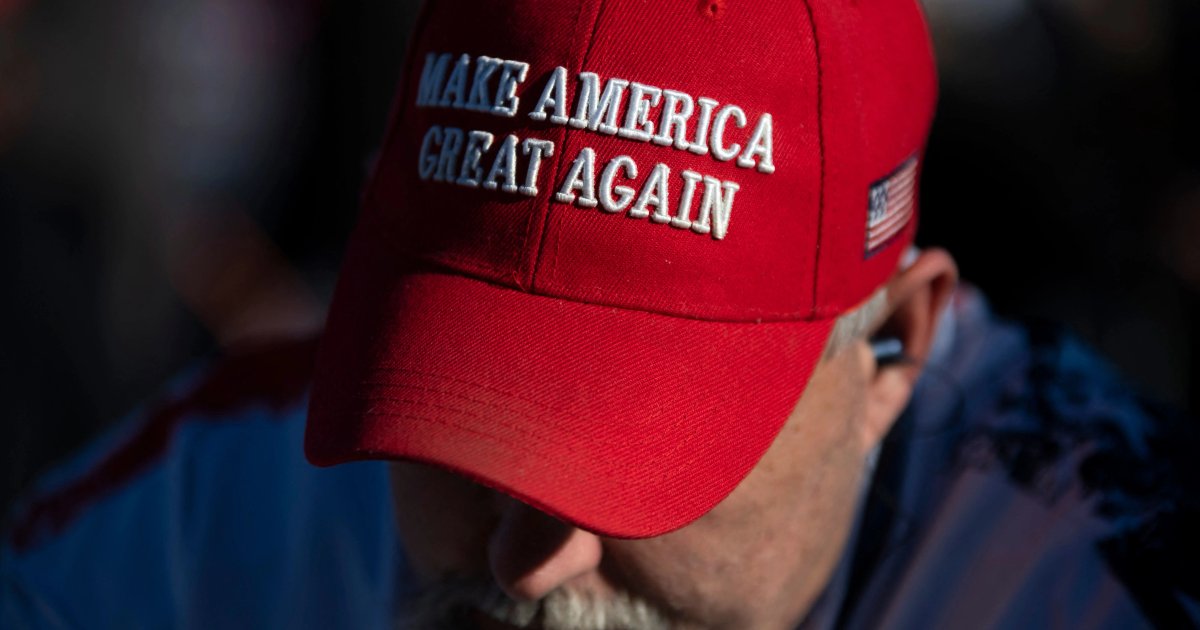
Recently, there has been a growing sense of nostalgia among leaders of the MAGA (Make America Great Again) movement in the United States, as they express a desire to reclaim an idealized image of old Britain. This movement, which gained momentum with the rise of former President Donald Trump, aims to revive traditional values that they believe were prevalent in Britain during earlier times.
This longing is evident in many statements and positions articulated by movement leaders, who view this idealized version of Britain as a symbol of strength and prestige. They believe that a return to these values could enhance the United States' standing on the international stage.
Details of the Vision
This fanciful vision of old Britain encompasses several elements, such as economic power, military dominance, and established cultural traditions. MAGA leaders seek to leverage these elements in their political and social agendas, believing that a return to these foundations could restore the United States' lost prominence.
These sentiments are intensifying in light of the challenges currently facing the United States, including internal political tensions, economic pressures, and rapid social changes. In this context, it seems that a return to the past has become an appealing option for some leaders, even though this vision may be far from reality.
Background & Context
Historically, Britain was considered a global superpower, with its empire extending to numerous countries. However, the nation underwent radical changes after World War II, leading to a decline in its global standing. In recent years, Britain has also faced new challenges, such as its exit from the European Union, which has impacted its image as a global power.
In this context, it is understandable how MAGA leaders seek to reclaim that idealized image of Britain, viewing it as a model to emulate. However, this vision may overlook the contemporary challenges that nations face today.
Impact & Consequences
This fanciful vision of old Britain has multiple implications for the American political landscape. As these sentiments rise, political and social divisions in the United States may increase, as people disagree on what "greatness" means and which values should be promoted.
Moreover, this vision could affect international relations, potentially escalating tensions between the United States and other countries, especially if these ideas are used as a pretext for adopting aggressive or isolationist policies.
Regional Significance
In the Arab region, this vision could have indirect effects, potentially leading to changes in relations between Arab countries and the United States. If these sentiments continue to escalate, the United States may shift towards more isolationist policies, which could affect Arab-American cooperation in various fields, such as economics and security.
In conclusion, the nostalgia for the past may have profound implications for American politics and international relations in general. However, it is essential to remember that current challenges require new solutions, rather than a return to outdated models that may not be applicable in the modern era.