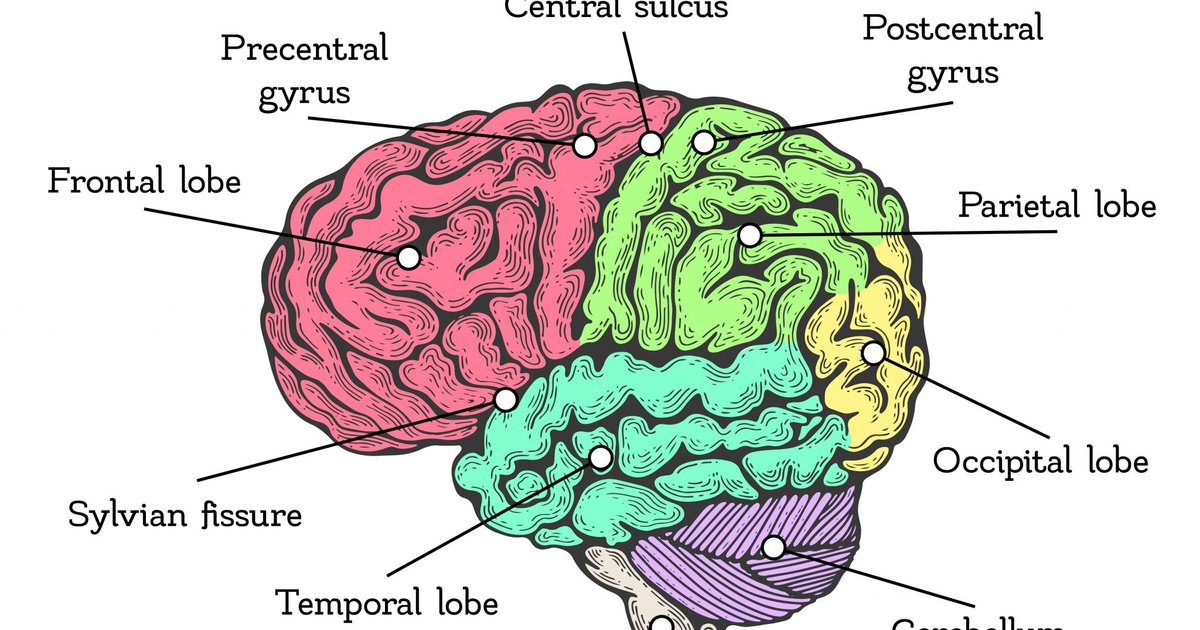
Hospitals in China have successfully utilized brain-computer interface (BCI) technology to help stroke patients regain control over their movements. One patient, a 72-year-old man, expressed his immense happiness after experiencing this new technology at a hospital in Hainan Province, stating, "I only imagined lifting my hand in my mind, and the instructions on the screen were actually moving."
This technology is part of the Chinese government's efforts to enhance innovation in healthcare, with the development of BCI technology first included in the annual government work report in 2026. Since then, this technology has made significant advancements across the country, accelerating its steps toward clinical application.
Details of the Event
Many stroke patients suffer from a loss of neural connection between their brains and limbs, affecting their ability to move. However, with the use of BCI devices, weak electrical signals from the brain are captured, allowing the translation of patients' thoughts into motor instructions. With regular training, doctors hope that patients will be able to regain control over their movements.
At the Tian Tan Hospital in Beijing, outpatient services related to the application of BCI technology have been fully operational, receiving approximately 1,600 cases by the end of 2025. The Tongji Hospital in Shanghai also successfully used this non-invasive technology to help a paralyzed patient stand and walk.
Background & Context
Since 2020, a neurology engineering team at Hainan University has been formed under the supervision of academician Lu Qingming from the Chinese Academy of Sciences. This team has presented around 20 patents related to BCI technology, with three chip models purchased by over 30 medical companies and research institutions, contributing to the development of research tools in neuroscience.
Many universities and medical institutions in China have collaborated with hospitals and industrial companies to explore clinical application experiences and improve the effectiveness of the technology, aiding in the advancement of this cutting-edge technique.
Impact & Consequences
Studies have shown that BCI technology is more efficient than traditional therapies in rehabilitating stroke patients, those with epilepsy, Parkinson's disease, and other neurological disorders. This technology enhances patients' mental interaction, increasing the effectiveness of treatment.
With coordinated efforts in policies, technological innovations, and clinical applications, BCI technology in China could open new horizons for hundreds of millions of patients suffering from neurological disorders, giving them hope for improved quality of life.
Regional Significance
These developments in BCI technology are particularly significant for the Arab region, where many countries face high rates of strokes and neurological diseases. This technology could contribute to improving healthcare in Arab nations, providing innovative solutions to complex health issues.
In conclusion, brain-computer interface technology represents a significant step toward a brighter future for patients suffering from neurological disorders, reflecting the potential of innovation to change lives for the better.