The political landscape in Europe and America is witnessing a notable rise in far-right ideas, compelling traditional parties to harden their positions. According to academic Katrina Froyu, immigration is the central issue defining the vision of these political movements.
The popularity of far-right parties is increasing in several countries, as these parties adopt a rhetoric characterized by hostility towards immigrants, significantly impacting the public policies of traditional parties. This shift in political discourse reflects profound changes in Western societies, where immigration has become a pivotal issue in political discussions.
Details of the Event
Support for far-right parties is rising in many European countries, such as France, Germany, and Italy. These parties exploit fears related to immigration and cultural integration to boost their popularity. At the same time, traditional parties, such as the French Socialist Party and the German Democratic Party, have begun to adopt more hardline positions in an attempt to regain voters leaning towards the far-right.
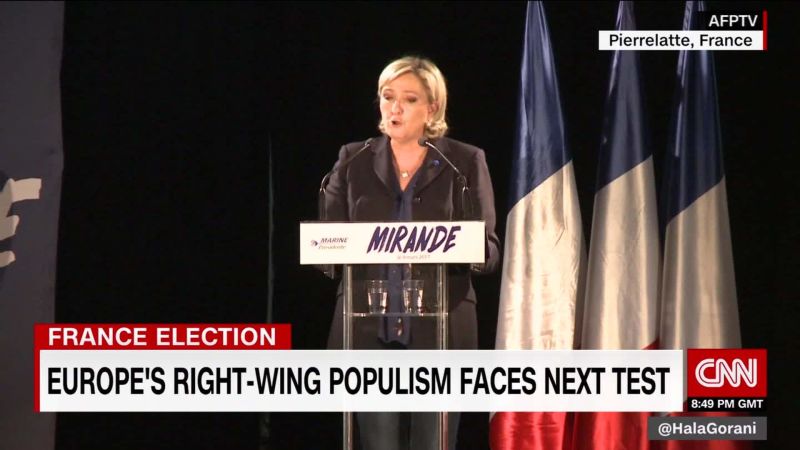
For example, in France, the recent elections saw an increase in the percentage of votes received by the National Front, prompting traditional parties to reevaluate their strategies. Polls have shown that voters have become more concerned about immigration and security issues, reflecting a shift in political priorities.
Background & Context
Historically, Europe has experienced waves of immigration for decades, but recent economic and political crises, such as the refugee crisis in 2015, have heightened fears surrounding immigration. These fears have been exploited by far-right parties to advance their agenda, leading to the emergence of new political movements calling for reduced immigration and the promotion of national identity.
Additionally, the economic impacts stemming from the COVID-19 pandemic have increased feelings of anxiety among citizens, further contributing to the rise of far-right rhetoric. In many countries, discussions about immigration have become closely linked to issues of economy and security, complicating political debates.
Impact & Consequences
The implications of the rising influence of the far-right are manifold, as this could lead to radical changes in public policies. European countries are likely to witness stricter immigration laws, affecting the lives of millions of migrants and refugees.
Moreover, this shift may exacerbate social divisions within societies, widening the gap between supporters and opponents of immigration. The rise of the far-right could also lead to a decline in human rights and fundamental freedoms, raising concerns among human rights organizations.
Regional Significance
The Arab region is indirectly affected by the rise of the far-right in Europe and America, as stringent immigration policies may reduce legitimate migration opportunities for Arab citizens. These policies could also foster feelings of hostility towards Arabs and Muslims in Western societies, increasing cultural and social tensions.
At the same time, Arab countries must be aware of these changes and work to promote cultural dialogue and mutual understanding with Western societies to avoid exacerbating humanitarian crises.
The rise of far-right influence poses a significant challenge to traditional parties and reflects deep changes in Western societies. All stakeholders must approach these changes cautiously and strive to promote values of understanding and tolerance.