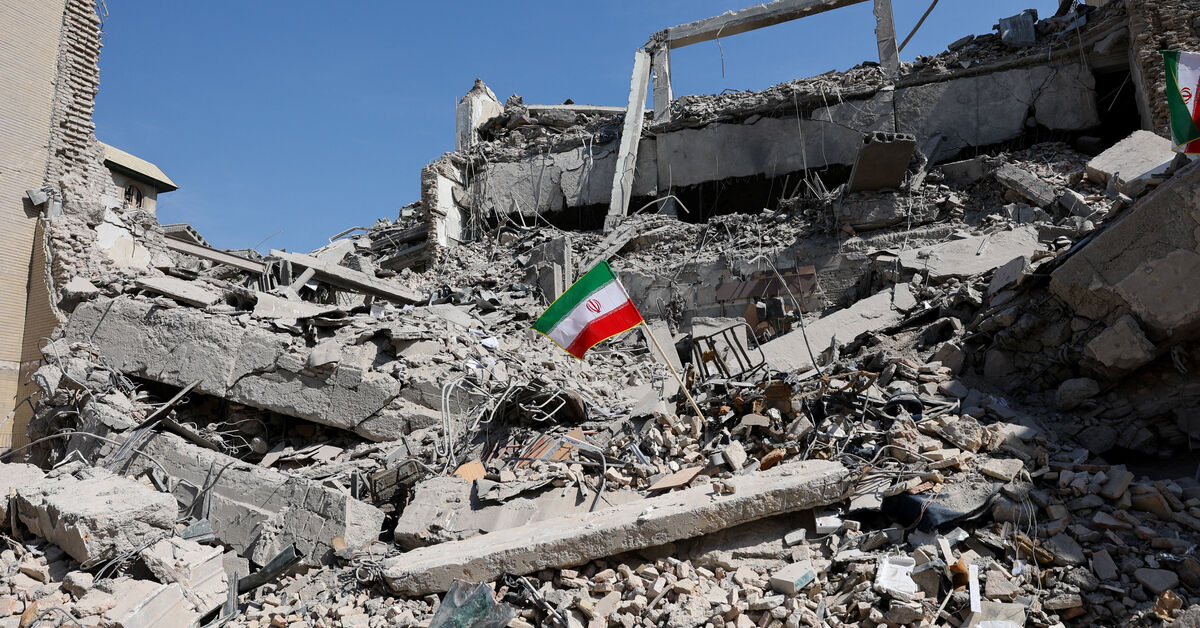
Voices advocating for Iran to seek nuclear capabilities are growing louder, especially in light of escalating military and political pressures from the United States and Israel. Sources within Iran indicate that these calls have become more public and urgent, particularly following recent events in the country.
With the death of Supreme Leader Ayatollah Ali Khamenei at the onset of the war on February 28, the Iranian Revolutionary Guard has gained greater dominance in the political arena, allowing hardline views more opportunity for expression. According to high-ranking Iranian sources, this shift in leadership has led to a strengthening of hardline positions regarding Iran's nuclear program.
Details of the Situation
Discussions are intensifying regarding Iran's potential development of nuclear capabilities in response to increasing threats from the United States and Israel. Many analysts believe that these calls are a reaction to what they perceive as escalating attacks from adversaries. Reports have shown that the Revolutionary Guard, considered the main military force in Iran, increasingly supports these hardline trends.
At the same time, the Iranian regime faces both internal and external challenges, as economic and social pressures on the Iranian populace continue to rise. Some view the pursuit of a nuclear bomb as a means to bolster the regime's position both domestically and internationally, despite the potential risks associated with such a move.
Background & Context
Historically, Iran has sought to develop a nuclear program for peaceful purposes; however, with rising regional and international tensions, these goals have shifted to become more aggressive. Since 2002, when Iran's nuclear program was revealed, there have been growing international concerns that Iran may seek to develop nuclear weapons. These fears have led to the imposition of severe economic sanctions on Iran, significantly impacting its economy.
In recent years, Iran has experienced significant political changes, with hardliners gaining more influence in the government. Regional events, such as conflicts in Syria and Iraq, have bolstered the hardliners' position, making the debate over the nuclear program more intense.
Impact & Consequences
Iran's pursuit of a nuclear bomb could escalate tensions in the region and provoke strong reactions from neighboring countries, particularly from Gulf states. This situation could also reshape regional and international alliances, as some Arab nations may seek to enhance their military capabilities in response to the Iranian threat.
Furthermore, this development could impact peace talks in the region, as major powers may become more cautious in their dealings with Iran. The escalation of tensions could lead to increased military spending in the region, potentially undermining regional stability.
Regional Significance
Arab countries, especially those in the Gulf, view the Iranian nuclear program as a direct threat to their national security. Any advancement in Iran's nuclear program could trigger an arms race in the region, prompting countries like Saudi Arabia and the UAE to develop their own nuclear programs as a countermeasure to Iranian threats.
In this context, Arab nations must adopt effective strategies to address the challenges posed by the Iranian nuclear program, including enhancing security and defense cooperation among themselves.
The rising calls for a nuclear bomb in Iran represent a significant challenge to regional and international security. As pressures on the Iranian regime increase, the crucial question remains: how will neighboring countries and the international community respond to this hardline trend?