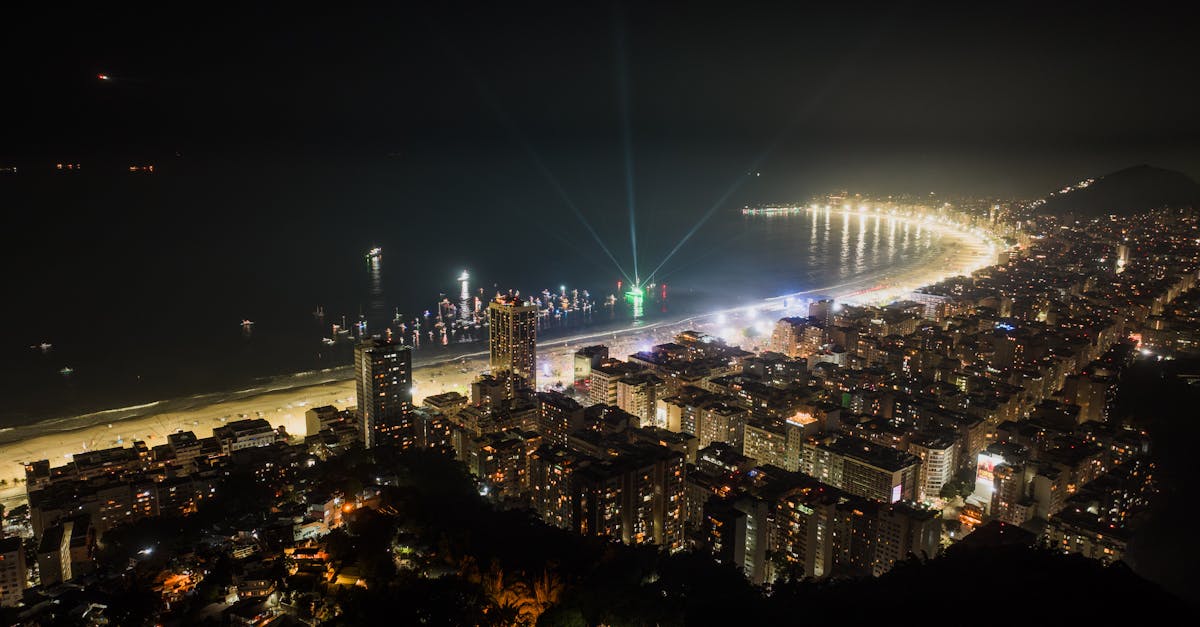
Cairo, the capital of Egypt, is experiencing notable changes in daily life patterns, as residents are now opting to sleep early due to rising energy costs. This new trend reflects the direct impact of regional crises, particularly those related to conflicts in Iran and their influence on energy prices in the region.
Energy prices in Egypt are reaching unprecedented heights, placing additional pressure on household budgets. With the rising cost of living, many find themselves compelled to cut back on social and recreational activities, adversely affecting the nightlife for which Cairo was once renowned.
Details of the Situation
Reports indicate that the surge in energy prices is partly due to escalating tensions in the Middle East, especially the ongoing conflict in Iran. This conflict has led to fluctuations in oil markets, directly impacting prices in Egypt. Studies have shown that electricity and gas costs have increased by as much as 30% over the past few months.
As a result of these increases, many families in Cairo have begun adjusting their daily habits. Instead of going out in the evenings, many prefer to stay at home, which negatively reflects on the local economy that heavily relies on nighttime activities.
Context and Background
Historically, Cairo has been considered one of the most vibrant cities in the Arab world, where nightlife was an integral part of its culture. However, the economic and political crises that the region has faced over the years, including turmoil in Iran, have contributed to changing this landscape.
It is noteworthy that Egypt heavily relies on energy imports, making it vulnerable to global price fluctuations. In recent years, the Egyptian government has attempted to reduce reliance on imports by developing renewable energy sources, but challenges remain.
Consequences and Impact
These changes are affecting numerous sectors, including tourism and entertainment. With the decline in nighttime activities, small and medium-sized businesses may face significant financial pressures. Additionally, the drop in evening tourism could impact Cairo's reputation as a tourist destination.
Moreover, the increasing energy costs may exacerbate the economic situation in the country, leading to higher rates of poverty and unemployment. Under these conditions, it becomes essential for the government to adopt effective policies to mitigate the effects of these crises on citizens.
Impact on the Arab Region
The situation in Cairo mirrors that of many Arab capitals suffering from the impacts of regional crises. The rise in energy costs is not limited to Egypt alone but extends to other countries in the region, increasing pressures on governments and populations.
In a related context, these crises may lead to changes in economic and social policies in Arab countries, as everyone seeks sustainable solutions to face the growing challenges.
In conclusion, the question remains about how Cairo will address these challenges. While residents are turning to sleep early, hope remains pinned on effective policies that can revitalize the city's streets and restore hope to its inhabitants.