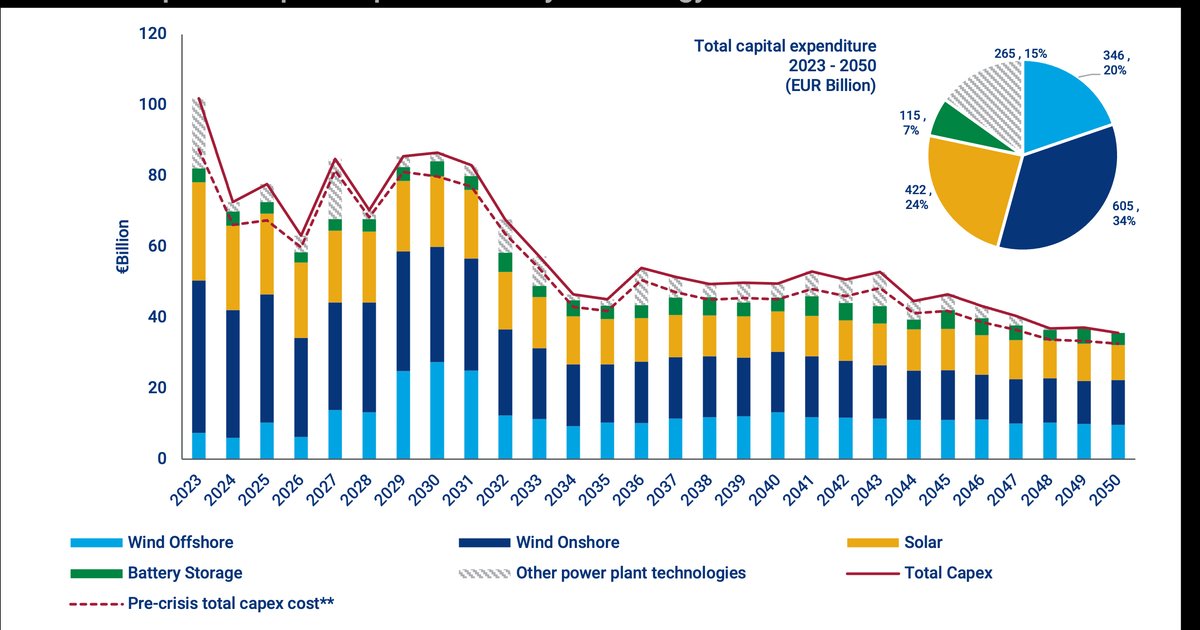
Europe is currently witnessing a notable shift towards renewable energy amid a significant rise in energy prices caused by the ongoing conflict in Iran. These circumstances have prompted many European nations to reassess their energy strategies, aiming to reduce dependence on traditional energy sources such as gas and oil.
Reports indicate that energy prices in Europe have surged dramatically, impacting the European economy as a whole. This increase is attributed to geopolitical tensions in the Middle East, which have led to greater instability in global energy markets.
Details of the Situation
In recent months, natural gas prices in Europe have reached unprecedented heights, surpassing record levels. This surge is a result of concerns over supply shortages, particularly with the escalation of the conflict in Iran affecting shipping and trade in the region. Many European countries have begun taking urgent steps to secure their energy supplies, contributing to an increased demand for renewable energy.
European nations are striving to enhance their investments in renewable energy projects such as solar and wind power. These initiatives not only help reduce reliance on fossil fuels but also contribute to achieving carbon emission reduction targets set by European countries under the Paris Climate Agreement.
Background & Context
Historically, Europe has heavily relied on imported gas and oil, especially from Russia and the Middle East. With rising geopolitical tensions, it has become essential for European countries to seek sustainable alternatives. Renewable energy has emerged as the most logical choice, as it can contribute to energy independence and mitigate risks associated with reliance on external sources.
In recent years, several European countries, including Germany and Denmark, have made significant progress in utilizing renewable energy. These nations have become role models in how to turn challenges into opportunities, having invested heavily in the development of clean energy technologies.
Impact & Consequences
The transition towards renewable energy in Europe could have far-reaching effects on the global economy. The increased demand for renewable technologies may lead to the creation of new job opportunities and foster innovation in this sector. Furthermore, this shift could help reduce reliance on fossil fuels, contributing to the achievement of sustainable development goals.
However, this transition requires substantial investments in infrastructure and technology. Countries that succeed in this transformation will be better positioned to face future challenges related to energy and climate change.
Regional Significance
For the Arab region, the changes in the European energy market may impact the economies of oil-producing countries. As Europe increasingly relies on renewable energy, Arab nations may face new challenges in maintaining their share of the global energy market. This necessitates that Arab countries consider new strategies to adapt to these changes.
At the same time, there could be new opportunities for Arab nations in the renewable energy sector, as many Arab countries possess vast natural resources such as solar and wind energy. Investing in these resources could help Arab nations achieve sustainable development and bolster their economies.