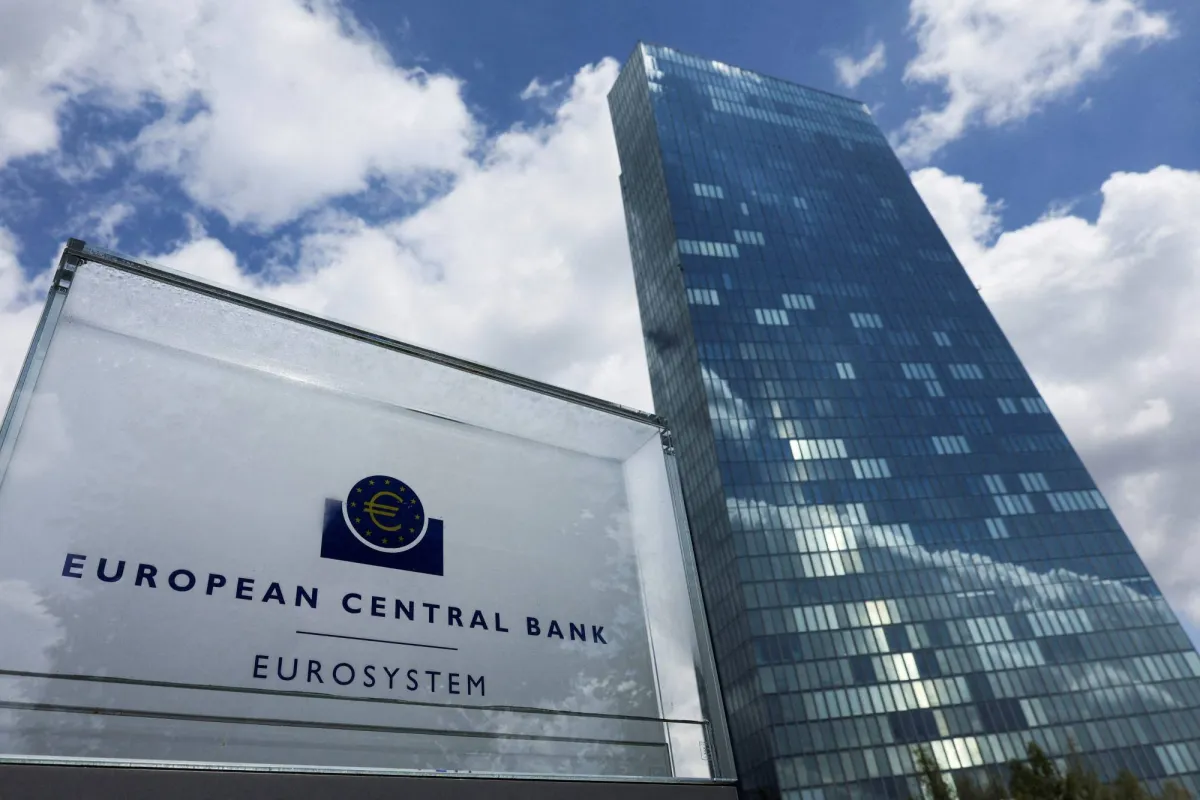
A recent survey by the European Central Bank has revealed a significant increase in inflation expectations among consumers in the Eurozone, threatening the sustainability of rising prices. Inflation expectations for the coming year rose to 4% in March, up from 2.5% in February, alarming policymakers who fear that rising energy costs may entrench high inflation expectations.
Inflation has accelerated sharply since the onset of the war in Iran, with the European Central Bank closely monitoring whether this shock will lead to secondary effects that necessitate tightening monetary policy. The monthly consumer expectations survey indicated that three-year inflation expectations climbed to 3%, significantly exceeding the bank's medium-term target of 2%.
Event Details
While policymakers may find some relief in long-term expectations, as five-year inflation expectations have slightly increased to 2.4%, short-term forecasts indicate rising pressures. The European Central Bank is expected to keep interest rates unchanged during its upcoming meeting, with potential hikes if inflationary pressures persist.
Consumers have also expressed increasing pessimism regarding economic growth prospects, predicting a contraction of 2.1% over the next year, compared to a previous forecast of only 0.9% decline. The survey also showed stability in income expectations for the coming year, while spending growth expectations surged to 5.1% from 4.6%.
Background & Context
Reports indicate that banks in the Eurozone have tightened credit conditions over the three months ending in March, with expectations of further tightening amid rising energy prices and financing costs. The quarterly bank lending survey revealed that financing conditions were already deteriorating due to the Iranian conflict, even before any potential moves by the European Central Bank regarding interest rates.
The tightening of lending standards was greater than expected, particularly for corporate loans, which recorded the highest levels of tightening since the third quarter of 2023. The bank noted that risks associated with economic forecasts and a decline in banks' risk-bearing capacity were among the main drivers of this tightening.
Impact & Consequences
The European Central Bank anticipates further widespread tightening of credit standards over the next three months, which could negatively impact economic growth. Demand for loans has slightly decreased during the quarter ending in March, as companies scaled back investments, although some sought to rebuild inventories.
Rising energy prices have driven some companies to increase their demand for liquidity, while uncertainty and postponed investments have restrained demand among other institutions. These dynamics could lead to a slowdown in economic growth in the Eurozone, complicating the challenges for policymakers.
Regional Significance
Inflationary pressures in the Eurozone affect the global economy, including Arab countries that rely on trade with Europe. Rising energy prices may lead to increased import costs, negatively impacting local economies.
Moreover, escalating economic pressures could affect Arab investments in Europe, necessitating precautionary measures to address these challenges. Under these circumstances, Arab countries must closely monitor economic developments in the Eurozone.
In conclusion, it is evident that inflationary pressures in the Eurozone pose a significant challenge for policymakers, raising concerns about the persistence of rising prices. The current situation requires effective measures to ensure economic stability and achieve sustainable growth.