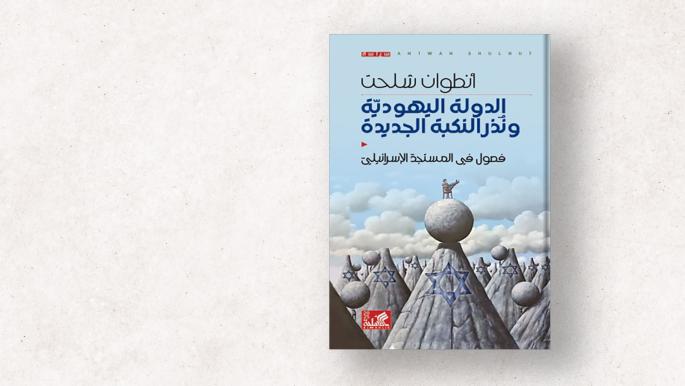
The Israeli political arena is undergoing a notable transformation with the rise of the populist neoliberal right, which seeks to dismantle institutions considered democratic. At the same time, the role of the left is significantly diminishing, raising questions about the future of democracy in the country.
This shift is not merely a political change; it also reflects deep social and cultural transformations within Israeli society. As right-wing voices gain prominence, the left's opportunities to influence public policies have diminished, threatening to undermine the democratic values upon which the Israeli state was founded.
Details of the Event
Concerns are growing that the policies adopted by the populist right may lead to the erosion of civil and political rights in Israel. Studies have shown that many Israeli citizens have begun to accept ideas that contradict traditional democratic principles, such as freedom of expression and equality before the law.
There are also indications that the current government, led by the right, is seeking to consolidate its power by reducing the role of oversight institutions, raising widespread concern among activists and international observers.
Background & Context
Israel was established in 1948 as a democratic state, but it has since experienced significant political transformations. In recent years, political and social divisions have intensified, leading to the emergence of the populist right as a major force in the political landscape.
Historically, the Israeli left has represented a strong voice in politics, playing a prominent role in the founding of the state and the establishment of its institutions. However, the decline of the left in recent years reflects changes in the priorities of Israeli voters, who have become more inclined toward nationalist policies.
Impact & Consequences
The rise of the populist right in Israel could have serious repercussions both domestically and internationally. Domestically, this may lead to the dismantling of democratic institutions and increased social tensions among various groups within Israeli society.
On the international level, this shift may affect Israel's relations with other countries, especially those that support Palestinian rights. The decline of democratic values could lead to increased international criticism of Israel, negatively impacting its image worldwide.
Regional Significance
Developments in Israel are of great importance to the Arab region. With the rise of the right, peace efforts with the Palestinians may become more complicated, exacerbating conflict in the region. Additionally, the erosion of democracy in Israel may encourage authoritarian regimes in Arab countries to strengthen their power.
Ultimately, what is happening in Israel is not merely an internal issue; it has wide-ranging implications for the entire region, necessitating careful monitoring of these developments by Arab states and the international community.