Kevin Warsh, the candidate for the chairmanship of the Federal Reserve, is encountering significant challenges in meeting former President Donald Trump's demands for lower interest rates. According to a recent CNBC survey, rising oil prices and inflation may notably hinder these efforts.
The survey revealed that only 58% of participants anticipate any reduction in interest rates this year, with expectations that the rate will decrease to 3.5%, just below the current rate. Forecasts suggest that the interest rate may drop to 3.2% by 2027, reflecting a divergence of opinions among those expecting one or more cuts and those who believe the Federal Reserve will maintain its current stance.
Event Details
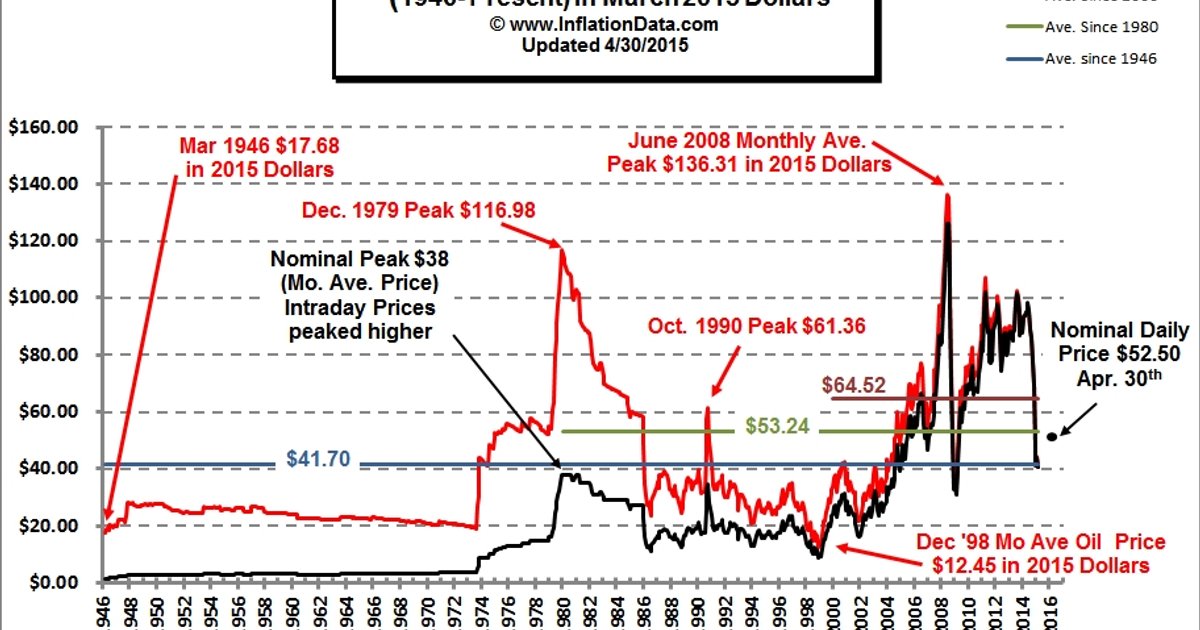
Reports indicate that high oil prices could lead to an increase in inflation by 0.6 percentage points this year, adversely affecting economic growth. 81% of participants considered that oil prices would contribute to an increase in core inflation, which excludes food and energy prices due to their volatility.
The likelihood of an economic recession remains high, estimated at around 33%, reflecting the current economic instability. Peter Bookvar, Chief Investment Officer at One Point BFG Wealth Partners, stated that the war and its impacts on commodities and supply chains have rendered the Federal Reserve merely an observer in these circumstances.
Background & Context
Since the onset of the war in Iran, economic forecasts have been on a continuous decline. GDP growth expectations have been revised down to 1.9%, half a point lower than previous forecasts. Additionally, the unemployment rate is expected to rise slightly to 4.5%, remaining stable until 2027.
Forecasts indicate that the Federal Reserve may struggle to make decisions regarding interest rates amid ongoing inflation and economic instability. Some economists have pointed to the need for the Federal Reserve to officially change its policy to be more flexible.
Impact & Consequences
Expectations suggest that the S&P 500 index will continue to stabilize around its current levels for the remainder of the year before experiencing a significant rise in 2027. This market stability reflects the uncertainty surrounding the American economy.
Douglas Gordon from Russell Investments emphasizes that American economic resilience, ongoing inflation, and uncertainty indicate the futility of lowering interest rates, regardless of who leads the Federal Open Market Committee.
Regional Significance
Oil prices are a crucial factor in the Arab economy, with many Arab countries relying on oil revenues. Rising oil prices could lead to increased inflation in Arab nations, impacting citizens' purchasing power.
Moreover, the continued economic instability in the United States may affect Arab investments in the American market, necessitating close monitoring of economic developments.