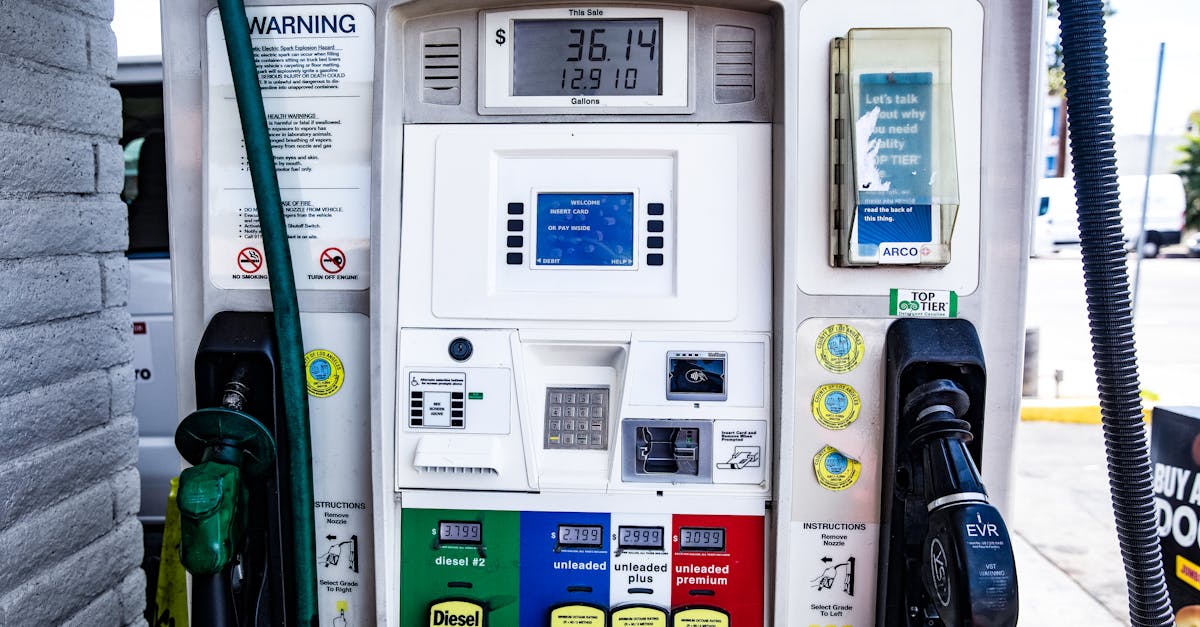
The ongoing conflict in Iran, which has entered its second month, has caused global oil prices to soar, with prices exceeding $105 per barrel. This increase has had a direct impact on the economies of African countries, leading to unprecedented hikes in fuel prices.
According to a report published by Radio France Internationale, Tanzania has seen a 33% increase in gasoline prices, while diesel prices in South Africa have risen by 40%. Despite the operation of the "Dangote" refinery in Nigeria, fuel prices there have reached record levels, prompting Ivory Coast to take government measures to stabilize prices.
Event Details
BBC reports indicate that many African countries have resorted to emergency solutions to tackle the fuel crisis. In South Sudan, measures have been taken to rationalize electricity consumption, while Mauritius has declared an energy emergency. In Zimbabwe, the ethanol content in gasoline has been increased, while Kenya is facing a fuel shortage that has negatively impacted its flower and tea industries, halting exports.
Politically, the Chairperson of the African Union Commission, Moussa Faki Mahamat, warned that stability in the Gulf region is essential for global energy security, indicating that the repercussions of the war on Africa will be direct. While countries like Morocco, Kenya, and Gabon have called for de-escalation, Senegal has taken a harsher stance, with Prime Minister Ousmane Sonko condemning the war in Iran and considering it a threat to the international order.
Background & Context
African governments are facing increasing internal pressures from opposition and civil society, demanding clearer stances on the war in Iran. These pressures come amid fears that the continent may become a battleground for competition among major powers, complicating political and economic situations.
Despite the catastrophic nature of the crisis, it opens the door to strategic opportunities for the continent's economies. The crisis has highlighted the vulnerability of African economies to external shocks, necessitating a rethink on enhancing investment in renewable energy and local refining capabilities.
Impact & Consequences
Analyst Alioune Lô emphasized that Africa needs to build self-reliance through manufacturing and diversifying energy sources, in addition to adopting more effective diplomacy to protect its interests. South African expert Dina Games views the war as an economic disaster for the continent, but it could also serve as a catalyst for rethinking Africa's position within the international system.
Games also points out that the crisis may push some African countries to enhance regional cooperation in energy and infrastructure, reducing their dependence on external sources. Some ports in Southern and Eastern Africa may benefit from the shift in shipping routes towards the Cape of Good Hope, creating new economic opportunities.
Regional Significance
The war in the Middle East has presented Africa with unprecedented economic and security challenges, but it has also provided an opportunity to reshape its energy and diplomatic strategies. The continent is now called upon to transition from being affected by global crises to becoming an active player capable of formulating collective responses and long-term strategies, thereby enhancing its independence and granting it a stronger position in the international system.
In conclusion, this crisis emerges as an opportunity to develop new strategies that enhance African countries' ability to face future challenges and reshape their role in the global system.