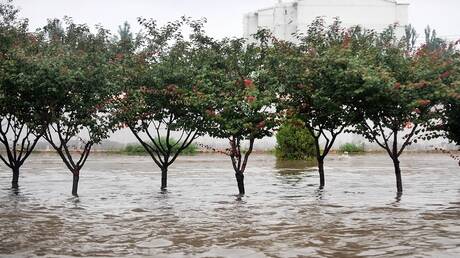
Recent studies indicate that the world is experiencing a notable shift in rainfall patterns, with a marked increase in heavy rainfall while regular and moderate precipitation has declined. This change could lead to significant challenges in water resource management, necessitating a reevaluation of storage and distribution strategies.
Data shows that heavy rainfall has become more common in many regions, increasing the risk of flooding and impacting infrastructure. While communities require sufficient water, these heavy rains can result in substantial water loss due to surface runoff.
Details of the Event
Research suggests that climate change is a primary factor behind this shift in rainfall patterns. As temperatures rise, water evaporates more quickly, leading to an increase in the amount of water vapor in the atmosphere. This vapor condenses into heavy rainfall, altering the nature of precipitation.
Reports predict that these trends will continue in the coming years, requiring governments and local communities to take proactive measures to adapt to these changes. It is essential to develop effective water management systems to address the new challenges.
Background & Context
Over the decades, the world has witnessed significant climate changes, with temperatures rising steadily. These changes not only affect rainfall patterns but also include an increase in the frequency of extreme weather events such as hurricanes and wildfires.
Historically, rainfall occurred regularly, helping to maintain ecological balance. However, this balance is now under threat due to climate changes that impact all aspects of life.
Impact & Consequences
The consequences of increased heavy rainfall are manifold, potentially leading to the destruction of agricultural crops, thereby affecting food security. Flooding resulting from these rains can cause significant human and material losses, placing additional pressure on health and economic systems.
Moreover, these changes may exacerbate poverty issues in the most affected areas, where communities lack the resources needed to adapt to these new conditions.
Regional Significance
The Arab region faces unique challenges due to climate change, with many countries in the area being among the most vulnerable to drought. However, increased heavy rainfall could lead to exacerbated flooding in some areas, necessitating new water management strategies.
Arab countries must work on developing infrastructure capable of handling these changes, including improving sewage systems and water storage. Regional cooperation must be enhanced to address shared climate challenges.
In conclusion, the current situation requires urgent responses from governments and communities to adapt to climate changes. Understanding these changes and planning proactively can help mitigate their negative impacts on societies.