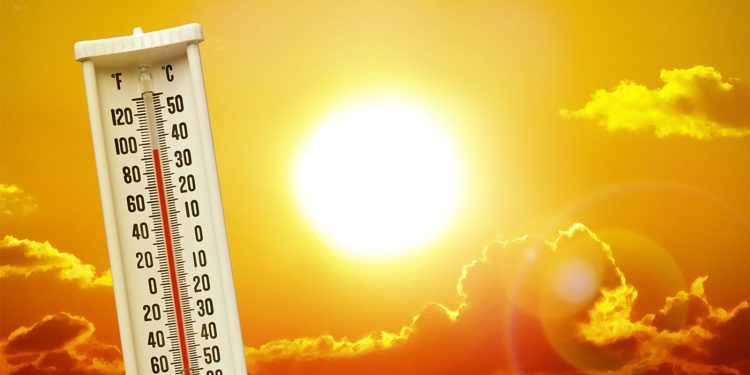
The Egyptian Meteorological Authority has announced its weather forecasts for today, indicating a notable rise in temperatures across most parts of the country. It is expected that temperatures in some regions will exceed 40 degrees Celsius, necessitating caution against direct exposure to sunlight.
The authority confirmed that this increase in temperatures is part of a heatwave affecting the country, which may continue for several days. It also mentioned that winds will be moderate, which could enhance the feeling of heat in certain areas.
Details of the Weather Event
According to forecasts, areas such as Greater Cairo and the Delta region will experience a significant rise in temperatures, with expectations of reaching 38 degrees Celsius in Cairo, while southern regions may record temperatures as high as 42 degrees Celsius. The northern coasts will see a slight increase in temperatures but will remain cooler compared to the inland areas.
The authority has warned against exposure to sunlight during peak hours, which extend from 12 PM to 4 PM, when the sun's rays are at their strongest. Citizens are advised to drink adequate amounts of water and avoid strenuous physical activities during these times.
Background & Context
High heatwaves are a common phenomenon during the summer in Egypt, as the country is affected by a hot and dry climate. In recent years, there has been an increase in the frequency of these heatwaves, raising concerns about their impact on public health and the environment.
In previous years, the Meteorological Authority has issued several warnings regarding the effects of rising temperatures on public health, especially for the elderly and children. Negative impacts on agriculture and water resources have also been observed as a result of these heatwaves.
Impact & Consequences
High temperatures can lead to an increase in cases of heat strokes and dehydration, requiring health authorities to take preventive measures. Additionally, rising temperatures may affect labor productivity in various sectors, particularly in jobs that require outdoor work.
Moreover, these heatwaves may lead to increased energy consumption, as reliance on air conditioning units rises, potentially putting additional pressure on the electrical grid.
Regional Significance
Many Arab countries share the challenge of rising temperatures, with nations such as Iraq, Saudi Arabia, and Jordan experiencing similar heatwaves. These climatic conditions may affect food and water security in the region, necessitating coordinated efforts among countries to address these challenges.
In light of these circumstances, it becomes essential to enhance public awareness on how to cope with high temperatures and provide necessary information to citizens to maintain their health and safety.