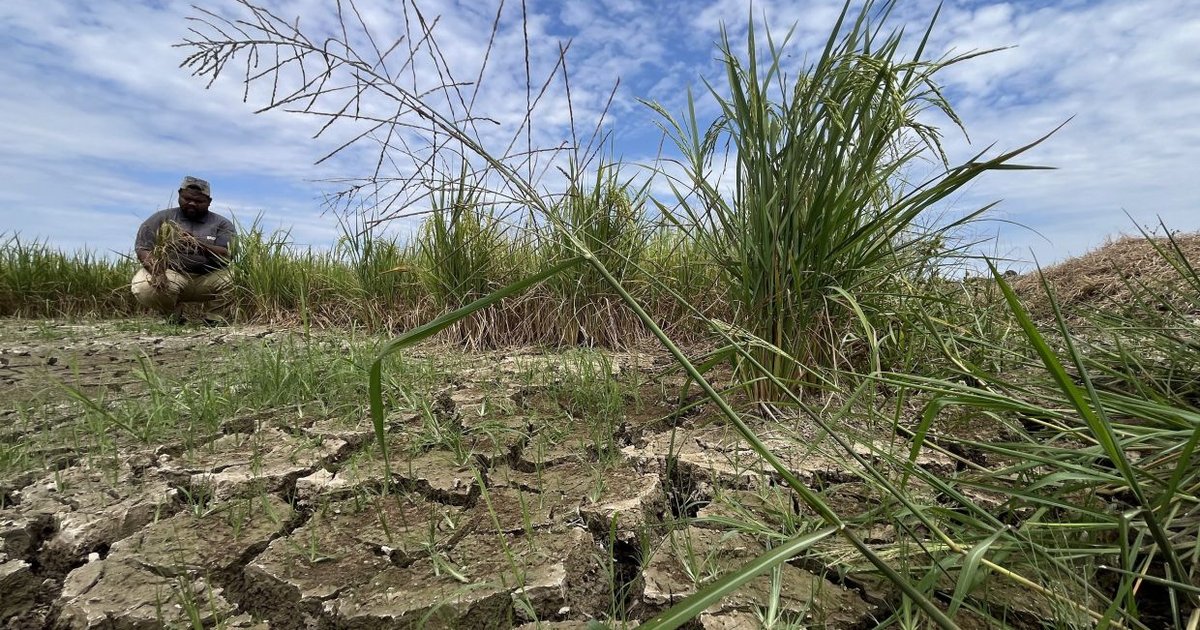
Rice fields in the regions of Seberang Perak and Sungai Manik in the Perak Tengah and Hilir Perak districts are facing serious threats due to a significant rise in temperatures. Reports indicate that over 13,000 hectares of these fields have been directly affected, jeopardizing agricultural production in the area.
Farmers in these regions are expressing their growing concerns due to the harsh climatic conditions, as the high temperatures impact rice growth and increase the risks of drought. Many have noted that while these conditions are not new, they have become more severe in recent years.
Event Details
Reports indicate that temperatures have reached unprecedented levels in some areas, leading to a deterioration of crop conditions. Farmers have confirmed that these conditions affect both the quality and yield of rice, which could result in supply shortages and rising prices in the market.
The Seberang Perak and Sungai Manik regions are significant agricultural areas in Malaysia, contributing greatly to the production of rice, a staple food for the population. As the climate crisis worsens, both the government and farmers must take urgent steps to adapt to these changes.
Background & Context
Historically, Malaysia has heavily relied on agriculture, particularly rice cultivation, as a primary source of food and income. However, the climatic changes witnessed globally in recent years, including rising temperatures and increased flooding, have significantly impacted this sector. In 2020, the country also experienced unprecedented droughts that led to a decline in agricultural production.
The Malaysian government is striving to enhance agricultural sustainability by implementing new strategies to tackle climate challenges, including improving irrigation techniques and cultivating new drought-resistant rice varieties. However, these efforts require sufficient time and resources to achieve tangible results.
Impact & Consequences
The repercussions of rising temperatures extend beyond the affected areas, potentially leading to increased rice prices in both local and global markets. Given the heavy reliance on rice as a staple food, any production shortfall could directly impact food security in Malaysia.
Furthermore, the climatic effects on agriculture may exacerbate economic conditions in rural areas, where many residents depend on farming as their primary source of income. Therefore, addressing these issues necessitates a comprehensive response from the government and civil society.
Regional Significance
Many Arab countries share similar climatic challenges with Malaysia and their impacts on agriculture. With rising temperatures and changing rainfall patterns, Arab nations also face similar risks concerning food security. For instance, countries like Egypt and Jordan are struggling with crop production due to harsh climatic conditions.
Thus, cooperation between Arab countries and Malaysia in sustainable agriculture and knowledge exchange regarding climate adaptation techniques could positively impact food security in the region.
The rise in temperatures in Malaysia highlights the importance of addressing climate change and its effects on agriculture. It requires joint efforts from governments, farmers, and the international community to ensure the sustainability of agricultural production and protect food security in the future.