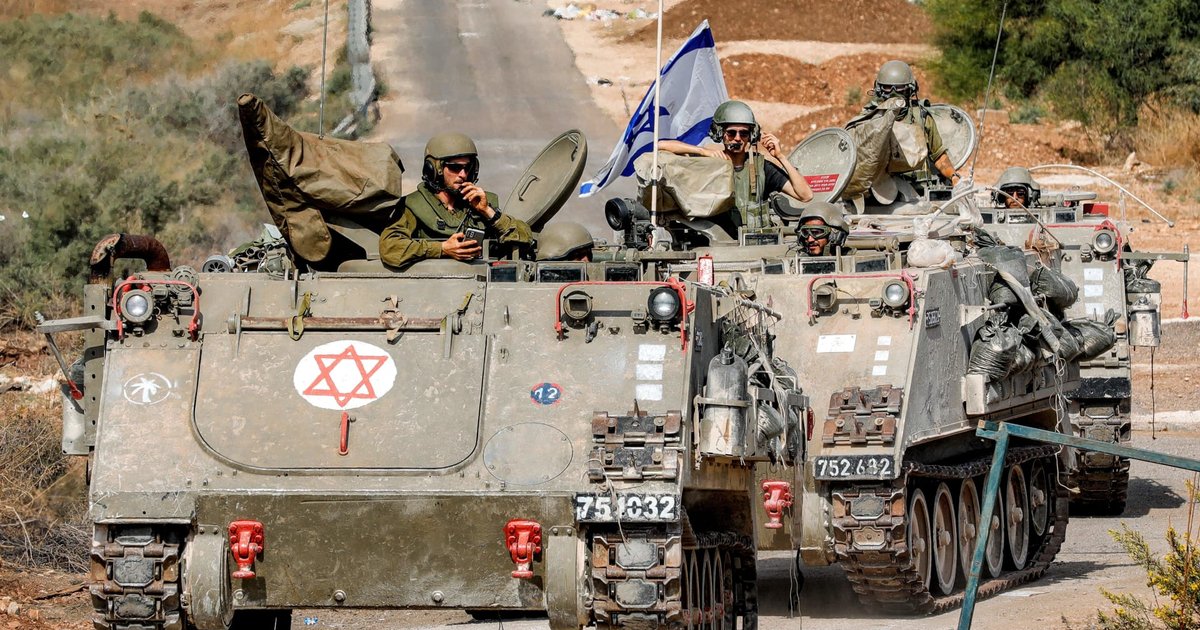
Tensions in the Middle East are on the rise, with Israeli authorities expecting military confrontations with Hezbollah and Iran to continue for several weeks. This statement follows a series of reciprocal attacks between Israel and its allies and Iran and Hezbollah, escalating to targets including Iranian nuclear facilities.
In this context, Tel Aviv has expressed concerns about Tehran's military activities, noting an increase in military operations and mutual bombardments. The United States is also expected to involve itself in this conflict by bolstering its military presence in the region, further intensifying the confrontation.
Following former President Donald Trump's warning about the possibility of closing the Strait of Hormuz, Iran responded sharply, pledging to completely shut down the vital passage. This threat comes amid increasing military campaigns between both sides, which have also seen vital infrastructure in the region targeted.
As regional and international pressures mount, the situation in the Middle East appears to grow more complex. These developments come at a sensitive time, as the Strait of Hormuz is deemed one of the world's most crucial maritime passages, used for transporting oil and natural gas to global markets.
Observers are increasingly concerned about the implications of these conflicts on the broader region. If tensions continue to escalate, negative repercussions on the global economy, particularly in the energy sector, are likely, as any attacks on critical infrastructure could lead to spikes in oil prices.
Historically, relations between Iran and Israel have always been tense. Israel views Iran as an existential threat and has carried out numerous strikes on Iranian sites in Syria. Thus, the escalation of current events represents a new turning point in the regional conflict.
In the coming days and weeks, further escalation and mounting military burdens are expected, necessitating close monitoring by the international community. The situation in the Middle East appears to be heading toward more complexity, foreshadowing significant changes on political, security, and economic fronts.
The scope of the repercussions from this escalation is not limited to the conflicting parties but may extend to other regional countries, especially those with ties and interactions with both Iran and Israel. Analysis indicates that the relationship between Gulf states and Iran may experience further tensions as these countries struggle to maintain their balance amid the current turmoil.