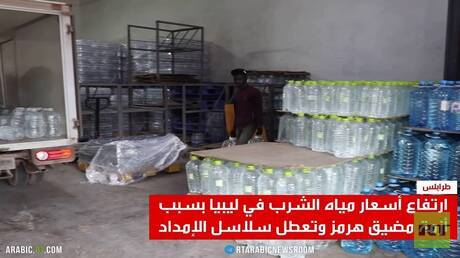
Libya is facing a growing crisis in water prices, which have significantly increased due to the rising costs of imported petroleum plastic. This surge is attributed to higher oil prices and disruptions in shipping through the Hormuz Strait.
Reports indicate that the cost of water production has doubled, negatively impacting citizens' ability to access this vital resource. Amid the challenging economic conditions the country is experiencing, obtaining clean water has become a major challenge for many families.
Details of the Crisis
The petroleum plastic is a fundamental material used in bottled water production, and with the rise in global oil prices, the costs of this material have increased significantly. This situation has led to a rise in water prices in the local market, causing discontent among citizens who are already facing increasing economic pressures.
This crisis coincides with disruptions in shipping through the Hormuz Strait, one of the most important maritime routes for transporting oil and gas. This disruption has directly affected the supply of raw materials, exacerbating the situation in Libya.
Background & Context
Historically, Libya has experienced economic fluctuations due to political and economic conflicts. Since 2011, the country has been suffering from instability, affecting all aspects of daily life, including access to water. The Hormuz Strait is a vital point in the global economy, and any disruptions there impact the prices of essential goods in many countries, including Libya.
Water is one of the essential resources needed by any country, and with the increasing demand for it, finding sustainable solutions to ensure its availability has become crucial. In recent years, pressures on the Libyan government have increased to provide affordable water to citizens.
Impact & Consequences
The impact of rising water prices in Libya extends to all aspects of life, as citizens struggle to afford the cost of water. This situation could lead to the spread of diseases due to the lack of clean water, posing a threat to public health.
Moreover, rising prices may exacerbate social conditions, as citizens might resort to protests demanding better living conditions. The government needs to take urgent action to address this crisis, including seeking alternatives to reduce production costs.
Regional Significance
The water crisis in Libya exemplifies the challenges faced by many Arab countries amid economic and political crises. This situation reflects the urgent need to develop effective strategies for managing water resources in the region.
As pressures on water resources increase, Arab countries must cooperate to find common solutions to address these challenges. Enhancing regional cooperation in the water sector could contribute to improving living conditions for citizens across the region.
In conclusion, the situation in Libya requires a swift and effective response from the government and the international community to ensure the provision of affordable water to citizens. Addressing this crisis is not just an economic issue but also a matter of public health and human rights.