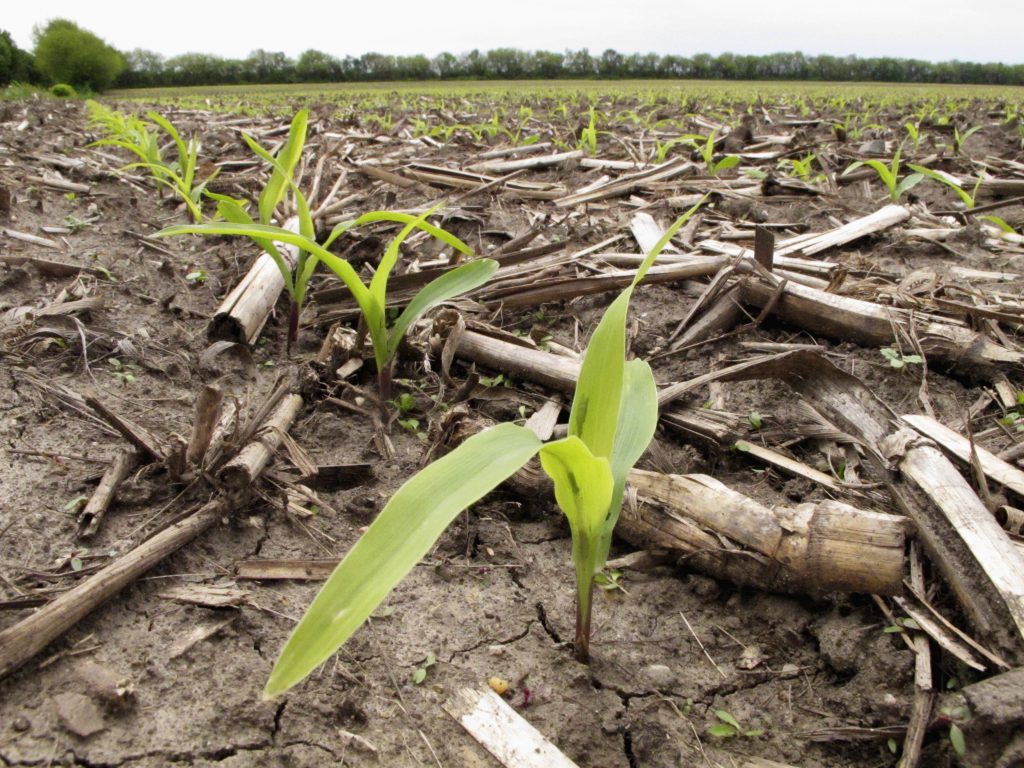
Recent studies indicate that rising winter temperatures lead to increased nitrate pollution in water near farms. This pollution, resulting from the use of agricultural fertilizers, poses a threat to public health and calls for urgent action. Research has shown that nitrate levels in drinking water increase with rising temperatures, raising concerns about its impact on human health.
Nitrates are common pollutants that affect water quality, often resulting from excessive fertilizer use in agriculture. As temperatures rise, evaporation rates increase, leading to higher concentrations of nitrates in groundwater and surface water. Studies have shown that this phenomenon is significantly increasing in agricultural areas, threatening sources of safe drinking water.
Event Details
In recent years, many agricultural areas worldwide have experienced a notable rise in temperatures, directly affecting water quality. Research has shown that regions heavily reliant on traditional agriculture face greater challenges in water management. According to data, nitrate levels in groundwater in some areas have risen by as much as 30% in recent years.
Nitrates are essential chemicals for plant growth, but they become harmful when they exceed certain levels in drinking water. Studies have shown that consuming nitrate-contaminated water can lead to serious health issues, including negative effects on children's nervous systems and an increased risk of cancer.
Background & Context
Historically, agriculture has heavily relied on chemical fertilizers to enhance productivity. However, the excessive use of these substances has led to water pollution in many areas. In recent years, governments and local communities have begun to recognize the need for more sustainable agricultural strategies, including reducing reliance on chemical fertilizers.
Climate change is one of the main factors affecting agriculture and water quality. Rising temperatures lead to increased evaporation and changing rainfall patterns, impacting the water balance in the environment. Therefore, addressing these issues requires coordinated efforts between governments, the agricultural sector, and local communities.
Impact & Consequences
The effects of nitrate water pollution extend beyond public health, impacting the environment and the economy as well. As water pollution increases, crop productivity may be affected, leading to higher prices and food shortages. Additionally, water pollution can impact marine life and ecosystems, resulting in biodiversity loss.
Furthermore, addressing water pollution issues requires significant investments in infrastructure and environmental projects. This means that governments need to allocate substantial financial resources to tackle these challenges, which may affect public budgets.
Regional Significance
The Arab region faces significant challenges in water management, as water is considered a scarce resource. With rising temperatures and climate change, the risks associated with water pollution are increasing. In many Arab countries, populations heavily rely on groundwater, which may be affected by nitrate pollution due to agricultural activities.
Therefore, addressing these issues requires regional cooperation and the adoption of sustainable strategies in agriculture and water management. Arab governments must also raise public awareness about the importance of maintaining water quality and develop effective policies to reduce chemical fertilizer use.
In conclusion, nitrate water pollution is a direct result of climate change and unsustainable agricultural practices. Urgent action is necessary to protect public health and the environment by adopting sustainable agricultural practices and enhancing regional cooperation in resource management.