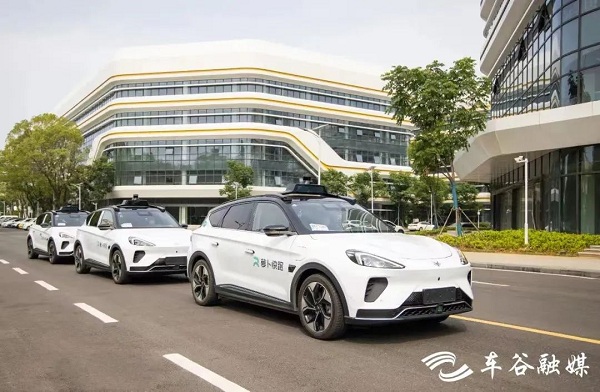
Wuhan, China, experienced chaos after the robot taxi system malfunctioned, leaving many passengers stuck in traffic. The incident occurred during peak hours, exacerbating the plight of citizens relying on this service. The incident raised questions about the reliability of modern technology in the transportation sector.
According to reports, several robot taxis malfunctioned on the streets of Wuhan, causing road closures and traffic congestion. Passengers reported delays in reaching their destinations, leading to widespread frustration among users.
Details of the Incident
The robot taxis in Wuhan, one of China's leading cities in modern technology, are part of the government's efforts to promote smart transportation. The incident occurred during peak hours, complicating the situation further. Many passengers who depended on this modern service found themselves trapped in severe traffic congestion, which sparked their discontent.
Local authorities rushed to address the situation, sending technical teams to fix the malfunctions. However, it took a long time for passengers to resume their journeys. Many passengers expressed their dissatisfaction with the lack of an alternative plan to handle such emergencies.
Background & Context
Wuhan is considered one of the Chinese cities that has made significant advancements in technology, with the launch of robot taxi services as part of the government's vision to enhance innovation in transportation. However, the recent incident highlights the challenges facing this technology, particularly concerning reliability and safety.
In recent years, China has seen a significant increase in the use of modern technology across various sectors, including transportation. Nevertheless, incidents like this raise questions about the preparedness of these systems to handle unexpected circumstances.
Impact & Consequences
This incident could have a significant impact on public confidence in robot taxi services. If such incidents continue, people may hesitate to use these services, affecting the government's plans to promote the use of technology in transportation.
Moreover, the incident underscores the need for improved infrastructure and technical support for these systems. Companies responsible for operating these robot taxis must be prepared to address malfunctions more quickly and efficiently.
Regional Significance
This incident serves as a lesson for many Arab countries seeking to enhance the use of technology in transportation. Arab nations can benefit from Wuhan's experience by investing in infrastructure improvements and developing effective emergency plans to handle malfunctions.
As Arab countries strive to foster innovation, there should be lessons learned from global experiences, including the importance of reliability in modern technology.