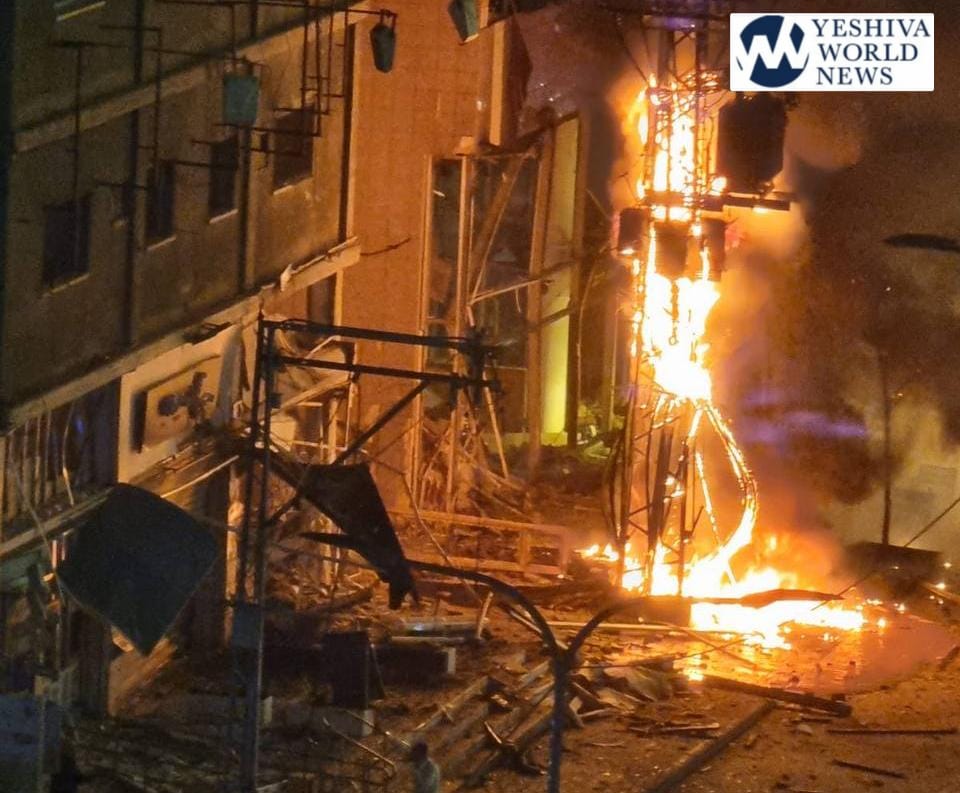
A rocket fragment fell near the archaeological site of Beit Ras in northern Irbid, with no injuries or human damage reported. The incident occurred late last night, causing alarm among local residents regarding safety in the area, especially given the tense security conditions in some neighboring regions.
Beit Ras is a well-known archaeological site dating back to Roman times and is considered one of the important tourist attractions in Jordan. This incident highlights the security challenges faced by archaeological sites in the region, which can be affected by military escalations or regional conflicts.
Details of the Incident
According to local sources, the fragment landed just a few meters from the archaeological site, creating panic among residents. Although no injuries occurred, the incident reflects the potential risks faced by communities near conflict zones. Security authorities in Jordan confirmed they are closely monitoring the situation and that there is no direct threat to public safety.
It is noteworthy that Jordan, despite its relative stability, faces security challenges due to surrounding crises, including the conflict in Syria and tensions in Iraq. These conditions impact citizens' lives and increase concerns about their safety.
Background & Context
Historically, the Middle East has witnessed numerous armed conflicts that have led to deteriorating security conditions. Jordan, as a neighboring country to conflict zones, has played a significant role in hosting refugees and providing humanitarian assistance. However, ongoing tensions in the region remain a threat to internal security.
Archaeological sites in Jordan, such as Beit Ras, represent a part of the country's cultural heritage. However, these sites are at risk due to armed conflicts, necessitating measures for their protection. The Jordanian government is working to enhance security around these sites, but challenges persist.
Impact & Consequences
The recent incident may affect tourism in the region, as archaeological sites are among the main attractions for tourists. Any similar incident could lead to a decline in visitor numbers, negatively impacting the local economy. Tourism is one of the main sources of revenue in Jordan, and any downturn in this sector could reflect on the living standards of local residents.
Moreover, the incident underscores the need to strengthen security in archaeological areas, calling for cooperation between government entities and the local community to ensure the safety of these sites. There should be clear strategies to protect cultural heritage from any potential threats.
Regional Significance
Security incidents in Jordan are not isolated; they reflect the overall situation in the Arab region. Ongoing conflicts in neighboring countries affect stability in Jordan, requiring effective responses from the government and the international community. Strengthening security in Jordan could serve as a model for other countries facing similar challenges.
In conclusion, there needs to be greater awareness of the importance of protecting archaeological sites, not only from a cultural perspective but also from a security and economic standpoint. Preserving cultural heritage is a shared responsibility that requires concerted efforts from all stakeholders involved.