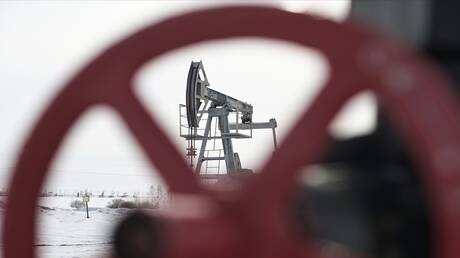
The official spokesperson for the Russian presidency, Dmitry Peskov, stated that Moscow is prepared to continue supplying energy to all global markets, including the European market. This announcement comes at a time when pressure on energy sources in Europe is increasing, as European countries seek to diversify their sources and reduce dependence on Russian gas.
Russia, which is one of the largest energy producers in the world, aims to strengthen its position as a reliable energy supplier amid ongoing geopolitical tensions. Peskov confirmed that his country remains committed to enhancing its trade relations with all nations seeking Russian energy, noting that Moscow has the capacity to meet global market needs.
Details of the Announcement
During a press conference, Peskov clarified that Russia still considers itself a reliable partner in the energy sector and is ready to meet the needs of all markets, including European ones. This statement comes in light of the crises facing Europe in securing energy supplies, especially following the sanctions imposed on Russia due to the conflict in Ukraine.
Peskov also indicated that Russia has taken effective steps to boost its energy exports to other countries, including China and India. Russian gas exports to China have seen a significant increase in recent months, reflecting a shift in Russian distribution strategies.
Background & Context
Historically, Russia has been one of the largest suppliers of gas and oil to Europe, with many European countries heavily reliant on Russian supplies. However, recent political events, including the conflict in Ukraine, have led many European nations to reassess their relations with Moscow, prompting them to seek alternative energy sources.
In recent years, Europe has taken tangible steps to reduce its dependence on Russian gas by developing renewable energy projects and increasing imports of liquefied natural gas from other countries. Nevertheless, Russia still retains significant leverage over global energy markets, making Peskov's statements highly significant.
Impact & Consequences
Peskov's statements could escalate tensions between Russia and European countries, as the latter seeks to reduce their reliance on Russian energy. Additionally, Russia's continued energy supplies may impact global energy prices, especially amid rising economic crises.
Moreover, these statements could enhance trade relations between Russia and other countries, such as China and India, potentially altering the dynamics of the global energy market. At the same time, European countries may face new challenges in securing affordable energy supplies.
Regional Significance
The Arab region is one of the largest producers of oil and gas in the world, and developments in the global energy market could affect the economies of Arab countries. Amid current tensions, Arab nations may seek to strengthen their trade relations with Russia, particularly in the energy sector, opening new avenues for cooperation.
Furthermore, rising global energy prices may impact the economies of oil-importing Arab countries, necessitating effective measures to adapt to these changes. Meanwhile, energy-producing Arab nations could benefit from higher prices, enhancing their economic stability.
In conclusion, developments in the global energy market remain under scrutiny, with Russia playing a pivotal role in shaping future trends. Peskov's statements will continue to attract the attention of observers, especially amid ongoing changes in international relations.