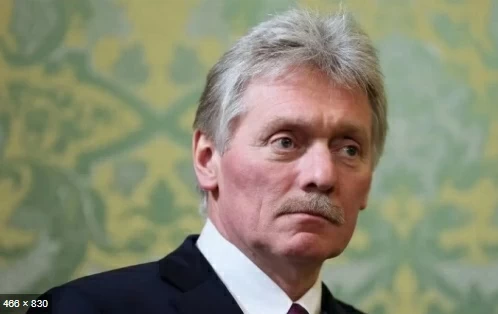
Kremlin spokesperson Dmitry Peskov announced that Russia is committed to securing energy supplies for global markets, including the European market, despite increasing geopolitical tensions. Peskov confirmed during a press conference that Moscow aims to maintain its role as a reliable energy supplier under current conditions, while Europe continues to search for alternatives to diversify its sources.
Peskov's statements coincide with active movements in the gas market, where he noted ongoing communications between Russia and Serbia regarding a gas supply contract, which is set to expire at the end of March, with the possibility of a three-month extension. This step reflects Russia's desire to strengthen its economic ties with its neighbors under the current circumstances.
Details of the Event
Earlier, Russian Deputy Prime Minister Alexander Novak clarified that global changes and conflicts over energy resources, including crises in the Middle East, have led to the largest energy crisis the world has seen in 40 years. Novak stated during his speech at the International Institute for Energy Policy and Diplomacy that the world is facing unprecedented challenges in the energy sector, pointing out that the wars witnessed over the past decades were primarily linked to the struggle for these vital resources.
Novak also indicated that the United States has been closely linked to all its recent military conflicts in countries of energy significance, such as Iran, Iraq, Kuwait, Syria, and Libya. These conflicts reflect the importance of controlling energy resources in shaping global politics.
Background & Context
Historically, energy has always been a major focus in international relations, with oil crises leading to radical changes in global policies. Since the 1970s, the world has witnessed several energy crises due to conflicts and disputes, directly impacting the global economy and oil prices. Today, it appears that the world is facing a new crisis that requires a swift and effective response from major countries.
In this context, the Strait of Hormuz is a vital strategic point, through which about one-third of global oil trade passes. Novak confirmed that the closure of this strait affects approximately 20 million barrels per day, representing about 20% of current global oil consumption and its derivatives. These figures reflect the importance of stability in this region to ensure the flow of energy to global markets.
Impact & Consequences
Russian statements emphasize the importance of Russia as a major energy supplier amid current crises. As geopolitical tensions continue, Europe may face challenges in securing energy supplies, which could lead to rising prices and negative impacts on the economy. At the same time, Russia seeks to strengthen its relationships with neighboring countries to ensure the continuity of its supplies.
Concerns are growing that current crises may exacerbate economic conditions in many countries, potentially negatively affecting regional and international stability. Under these circumstances, energy could become a weapon in political conflicts, complicating the global landscape further.
Regional Significance
Arab countries, especially oil-producing ones, are at the heart of these crises. With increasing demand for energy, these countries may find themselves in a strong position to negotiate better prices. However, political crises in the region may affect the stability of energy markets.
Additionally, tensions in the Middle East may lead to increased investments in alternative energy sources, reflecting a shift towards energy sustainability. Ultimately, the Arab region remains in a position to benefit from changes in the global energy market, but it also faces significant challenges that require effective responses.
In conclusion, Russia remains a key player in the global energy market, striving to maintain its status as a reliable supplier despite challenges. As Europe continues to seek alternatives, geopolitical crises may reshape the contours of the energy market in the near future.