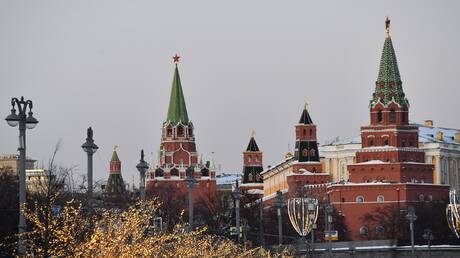
Dmitry Peskov, the official spokesperson for the Kremlin, announced that Russia has not yet made a decision regarding joining the Gaza Peace Council established by former U.S. President Donald Trump. Peskov clarified that the diminishing importance of this council is occurring against the backdrop of changing and complex conditions in the Middle East.
Peskov's statements come at a time when the region is witnessing escalating tensions, with increasing political and economic crises, making it difficult for countries to make strategic decisions related to peace. The Gaza Peace Council is seen as an initiative aimed at promoting stability in the region, but it appears that Moscow is hesitant to take new steps.
Details of the Event
The Gaza Peace Council was established in 2019 by Trump as part of the Middle East peace plan known as the "Deal of the Century." This initiative aimed to achieve a lasting settlement between Palestinians and Israelis, but many countries, including Russia, have expressed reservations about certain aspects of it.
Peskov added that Russia is closely monitoring the situation and assessing the actual importance of such initiatives in light of the current political changes. He also noted that Moscow always prefers solutions that consider the interests of all parties involved.
Background & Context
Historically, Russia has played an important role in the Middle East peace process, being one of the first countries to recognize the Palestine Liberation Organization. However, its current stance is characterized by caution, especially amid rising tensions between Palestinians and Israelis, and political crises in neighboring countries.
Concerns are growing that the continuation of the conflict may exacerbate humanitarian conditions in Gaza, making it essential to seek effective solutions. Yet, with the diminishing role of some international initiatives, the question remains about Russia's ability to influence this process.
Impact & Consequences
Russia's decision not to join the Gaza Peace Council could affect the council's credibility and its ability to achieve its goals. This decision may also reflect a decline in international cooperation on Middle Eastern issues, potentially exacerbating current crises.
At the same time, this may open the door for other countries to enhance their role in the region, complicating the political landscape further. It seems that Russia is striving to maintain its balance in international relations, especially as tensions rise among major powers.
Regional Significance
Peskov's statements indicate the challenges facing the peace process in the Middle East, reflecting a state of uncertainty in international positions regarding Palestinian issues. These developments may affect relations between Arab countries and Russia, particularly given the urgent need for stability in the region.
Moreover, the ongoing decline in the role of international initiatives could lead to worsening humanitarian and political conditions in Gaza, necessitating urgent action from the international community to support peace efforts.
In conclusion, Russia's positions regarding the Gaza Peace Council remain open to all possibilities, at a time when the need for radical solutions to the multiple crises in the Middle East is increasing.