Russia has successfully established a parallel digital financial network based on cryptocurrencies, redirecting global trade and weakening traditional financial oversight tools. This initiative comes in response to Western sanctions imposed after the Ukraine conflict, pushing the country to seek new methods to bolster its economy.
This digital financial network is seen as a strategic response from Russia to counter economic pressures. The Russian government aims to utilize cryptocurrencies to facilitate trade with countries that do not adopt Western sanctions, allowing it to continue international trade without relying on traditional financial systems.
Details of the Initiative
The digital financial network created by Russia involves using cryptocurrencies as a means to facilitate trade transactions. Reports indicate that Russia has already begun using these currencies to settle payments with certain countries, reflecting a significant shift in how international trade is conducted. This move also demonstrates Russia's desire to enhance its financial independence and reduce reliance on the US dollar.
Russia is working to develop a robust infrastructure for cryptocurrencies, including exchange platforms and financial applications, making it easier for both Russian and foreign companies to use these currencies in their transactions. Russian officials have indicated that this network will help boost trade with friendly nations such as China and India.
Background & Context
Historically, Russia has faced economic sanctions since its annexation of Crimea in 2014, which significantly intensified following the Ukraine conflict in 2022. These sanctions have severely impacted the Russian economy, prompting the government to seek alternatives to enhance trade and economic stability. In this context, cryptocurrencies have emerged as an attractive option, providing a means to circumvent imposed financial restrictions.
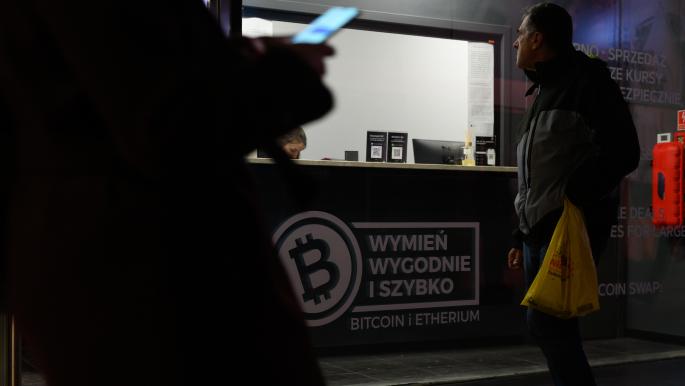
Cryptocurrencies, such as Bitcoin and Ethereum, are new financial instruments that allow individuals and nations to conduct transactions without the need for traditional financial intermediaries. With the growing global interest in these currencies, Russia has begun exploring how to effectively integrate them into its economic policies.
Impact & Consequences
This initiative could lead to a radical change in the global financial system, potentially encouraging other nations to adopt a similar model to bypass sanctions. Additionally, the use of cryptocurrencies may heighten tensions between Russia and Western countries, as this move will be viewed as a challenge to Western financial dominance.
Moreover, this digital financial network could affect the stability of global financial markets, potentially leading to increased volatility in cryptocurrency prices. There are also concerns that the use of these currencies could facilitate money laundering and the financing of illicit activities.
Regional Significance
These developments are particularly significant for the Arab region, as they may impact trade relations between Arab countries and Russia. With the increasing reliance on financial technology, Arab nations may find new opportunities for collaboration with Russia in the field of cryptocurrencies.
This shift could also open new avenues for investment in financial technology within the region, enhancing the ability of Arab countries to innovate in this sector. However, strict oversight is necessary to ensure that these currencies are not used for illegal activities.
In conclusion, Russia's establishment of a digital financial network based on cryptocurrencies represents a strategic step aimed at enhancing its financial independence and countering Western sanctions. As global interest in cryptocurrencies rises, we may witness a transformation in how international trade is conducted and its impact on the global economy.