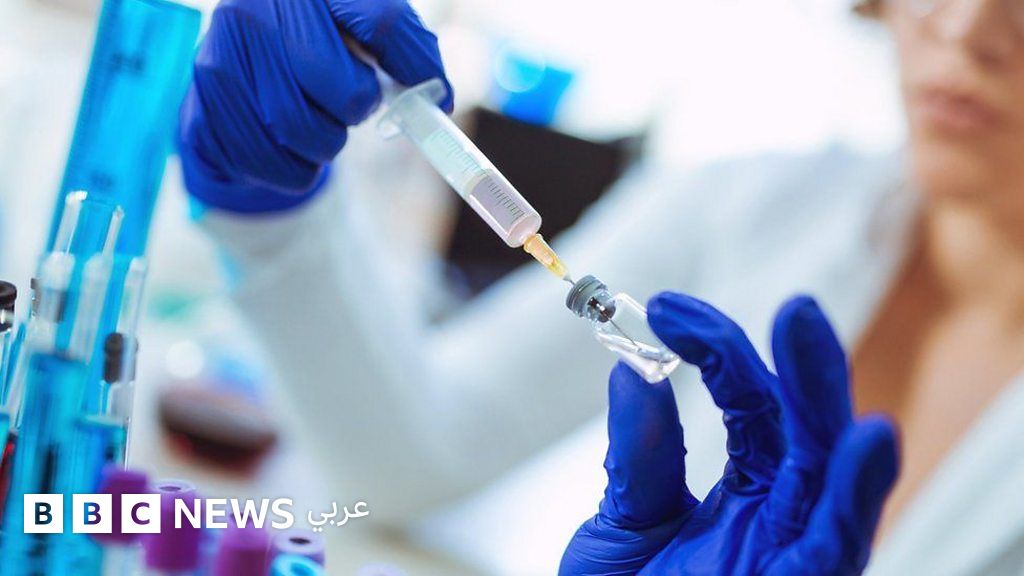
The Russian Ministry of Health has announced the commencement of its new vaccine designed to treat melanoma skin cancer, with the first dose administered to a patient. This announcement comes at a time when there is an increasing need for effective treatment options to combat this type of cancer, which is among the most common and dangerous.
Melanoma skin cancer is considered one of the deadliest types, causing the deaths of many patients annually. With the introduction of this new vaccine, Russia hopes to improve healing chances and reduce mortality rates associated with this disease.
Details of the Announcement
This development was announced during a press conference held by the Russian Ministry of Health, where the ministry confirmed that the vaccine was developed after years of research and clinical trials. According to preliminary data, the vaccine has shown effectiveness in stimulating a strong immune response against cancer cells.
This vaccine is part of Russia's strategy to enhance its capabilities in medical research and develop new treatments, and it is part of its ongoing efforts to combat cancer diseases that pose a global health challenge.
Background & Context
Historically, Russia has made significant progress in the field of medical research, with the government investing heavily in the development of new treatments. With the rising incidence of melanoma skin cancer in recent years, it has become essential to find innovative solutions to address this health challenge.
It is worth noting that melanoma skin cancer usually originates from pigment cells in the skin, and excessive exposure to sunlight is one of the main contributing factors to its appearance. Therefore, developing an effective vaccine is a crucial step in prevention and treatment.
Impact & Consequences
If the vaccine proves effective in upcoming clinical trials, it could lead to a significant shift in the way melanoma skin cancer is treated. This vaccine will enable doctors to offer new treatment options to patients, potentially improving healing rates.
Moreover, this development could enhance Russia's standing in the field of medical research globally, as this vaccine could become a model for other countries seeking to combat this type of cancer.
Regional Significance
Melanoma skin cancer represents a health challenge in many Arab countries, where the incidence of cases is increasing due to sun exposure. Therefore, the success of this vaccine could open new avenues for cooperation between Russia and Arab countries in the field of medical research and knowledge exchange.
Additionally, the development of an effective vaccine may encourage Arab countries to invest in similar research, thereby enhancing their capabilities in combating cancer diseases.
In conclusion, the launch of this new vaccine represents a significant step in the fight against melanoma skin cancer and reflects Russia's commitment to enhancing its capabilities in medical research. The medical community eagerly awaits the results of upcoming clinical trials, which could determine the future of treating this serious disease.