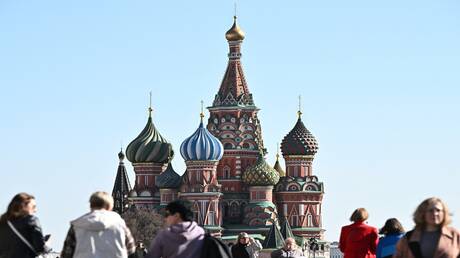
Russian Minister of Economic Development Maxim Reshetnikov announced that the country is seeking to expand its visa exemption system, with an emphasis on simplifying the use of electronic visas. These statements come as part of the Russian government's efforts to enhance tourism and increase the number of foreign visitors, reflecting Russia's interest in strengthening its position as a global tourist destination.
Tourism is considered one of the vital sectors in the Russian economy, significantly contributing to the GDP and providing job opportunities. By expanding the visa exemption system, the Russian government hopes to attract more tourists from around the world, which will help boost the local economy and develop tourism infrastructure.
Details of the Initiative
Reshetnikov clarified that the government is working to facilitate the visa application process, including electronic visas, which have become a popular option among tourists. He noted that the expansion of the visa exemption system will include new countries, allowing more visitors to enter Russia without complicated procedures.
This move comes at a time when the global tourism sector is experiencing a recovery following the COVID-19 pandemic, as many countries strive to restore tourism flows and increase visitor numbers. This Russian approach is part of a broader strategy to enhance economic and cultural relations with other countries.
Background & Context
Over the years, Russia has sought to enhance its position as a tourist destination, boasting a diverse array of natural and cultural attractions. From the Kremlin in Moscow to the Ural Mountains, Russia offers a unique tourist experience. However, visa restrictions have been one of the factors limiting many tourists' ability to visit the country.
In recent years, Russia has seen some changes in its visa policies, with the introduction of electronic visa systems for visitors from certain countries. These steps have contributed to an increase in tourist numbers, but there remains significant room for improvement in access to the country.
Impact & Consequences
Expanding the visa exemption system could have a significant positive impact on the Russian economy. An increase in the number of tourists is expected to boost the hospitality and restaurant sectors, along with increased demand for other tourism services. This trend could also contribute to the creation of new job opportunities and stimulate investment in tourism infrastructure.
Moreover, enhancing tourism can help improve Russia's image on the international stage, reinforcing its position as a safe and attractive tourist destination. Amid global economic challenges, tourism is an effective means to diversify the economy and reduce reliance on traditional sectors.
Regional Significance
For the Arab region, expanding the visa exemption system could open new horizons for tourism cooperation between Russia and Arab countries. Arab tourists could benefit from easier access to Russia, enhancing opportunities for cultural and tourism exchange.
Additionally, an increase in the number of Arab tourists to Russia could help strengthen economic relations between both sides, contributing to the development of joint projects in the fields of tourism and hospitality. This step could also enhance investment opportunities in tourism infrastructure in Arab countries.
In conclusion, it appears that Russia is moving towards strengthening its tourism policy by expanding the visa exemption system, reflecting a strategic vision aimed at enhancing the national economy and increasing cultural exchange with the world.