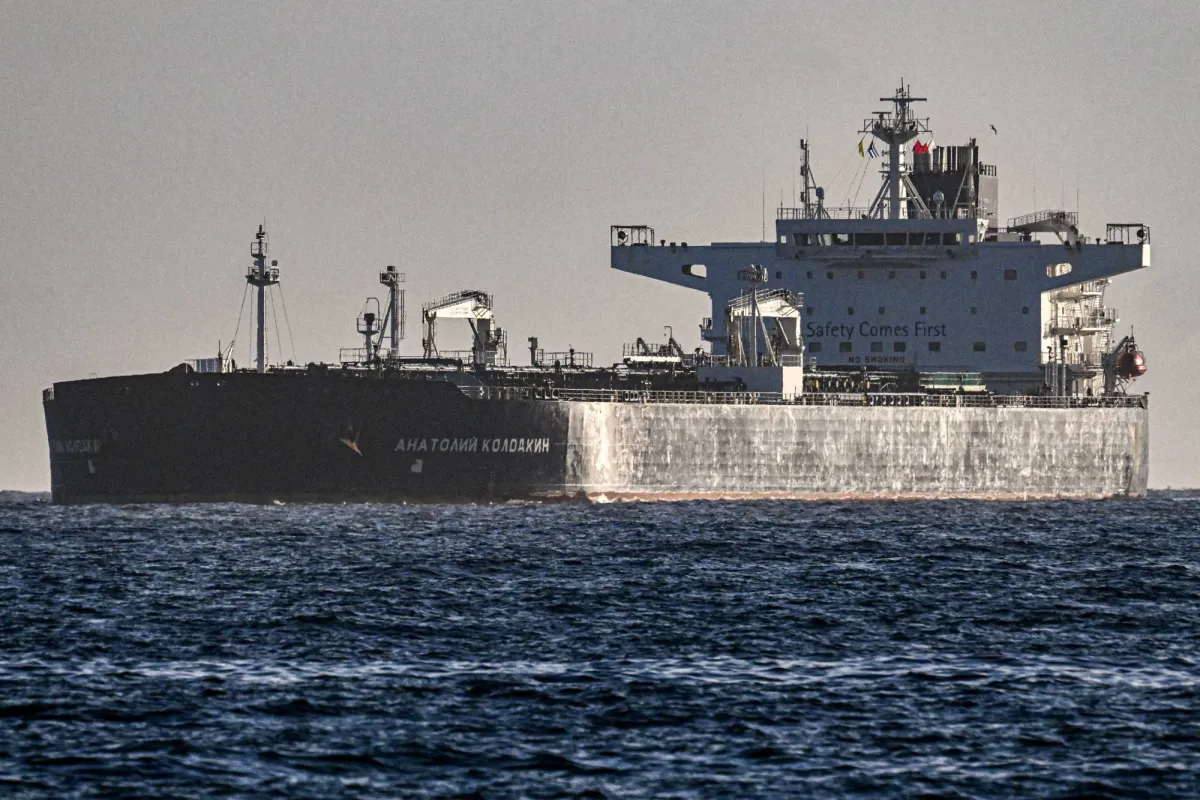
Russian Energy Minister Sergey Tsivilev announced on Thursday that Russia will send a second oil tanker to Cuba, which is suffering from a U.S. oil blockade. This move comes at a time when Cuba is grappling with a severe energy crisis, having lost its main oil source following the detention of Venezuelan President Nicolas Maduro, a key ally of Havana.
Cuba has faced a severe energy supply crisis since January, leading to power outages, fuel rationing, and food shortages. While Washington continues to threaten countries supplying oil to Cuba with tariffs, it allowed Russia to send an oil tanker earlier this week for humanitarian reasons.
Details of the Event
According to Tsivilev's statements, "A ship from the Russian Federation has breached the blockade. A second ship is now being loaded. We will not leave the Cubans in trouble." These remarks reflect Russia's commitment to assist Cuba in facing the economic challenges it encounters.
A Russian oil tanker carrying 730,000 barrels of crude arrived at the Cuban port of Matanzas on Tuesday, marking the first of its kind since the beginning of the year. This development comes amid escalating tensions between Cuba and the United States, as Washington views Cuba as an adversarial regime.
Background & Context
Historically, Russia has maintained close relations with Cuba, especially since the Cold War era. Cuba is considered one of the last communist regimes in the world and has faced increasing economic challenges due to U.S. sanctions. These sanctions, aimed at weakening the Cuban regime, have exacerbated the economic and social conditions on the island.
These events coincide with rising geopolitical tensions in the region, as the United States seeks to enhance its influence in Latin America, while Russia attempts to bolster its presence in the area by supporting traditional allies like Cuba.
Impact & Consequences
This Russian move could escalate tensions with the United States, which may respond by imposing further sanctions on Russia or on countries cooperating with it. Additionally, sending oil to Cuba could strengthen the Cuban government's position and increase its ability to withstand economic pressures.
Moreover, this step may encourage other countries to challenge U.S. sanctions, potentially leading to shifts in political and economic dynamics in the region. The continued Russian support for Cuba could also contribute to strengthening the ties between the two nations in the future.
Regional Significance
Considering the situation in Cuba, this development could have implications for Arab countries, especially those facing economic or political pressures. This move may encourage Arab nations to seek new allies to confront the challenges they face, potentially leading to shifts in regional alliances.
Furthermore, the strengthening of relations between Russia and Cuba may pique the interest of Arab nations in enhancing their ties with Moscow, particularly amid rising tensions with the United States. These new relationships could present an opportunity for Arab countries to bolster their position on the international stage.
In conclusion, this Russian move reflects Moscow's commitment to supporting its allies in the face of Western pressures, which could alter the balance of power in the region and impact international relations more broadly.