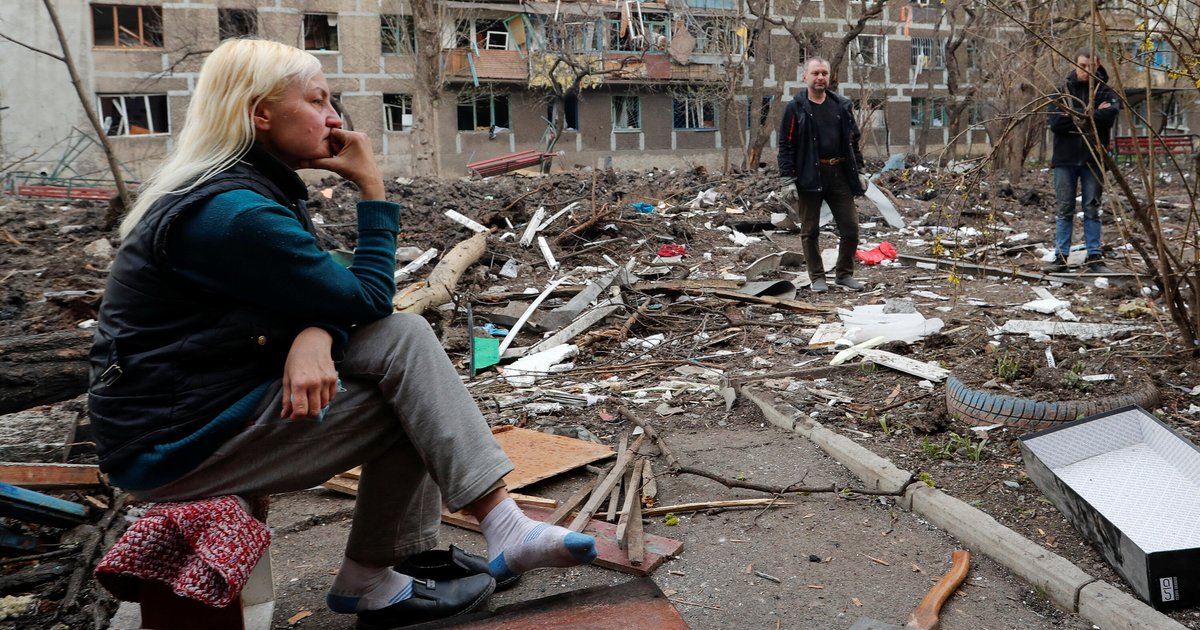
The Kremlin spokesperson, Dmitry Peskov, has called on Ukrainian President Volodymyr Zelensky to withdraw all Ukrainian forces from the Donbas region, stating that this is a fundamental condition for achieving peace in the area. This statement comes amid rising military tensions between the two sides.
The Donbas region, which includes the cities of Donetsk and Luhansk, has been the center of conflict between Ukrainian forces and Russian-backed separatists since 2014. The area has witnessed numerous bloody battles, resulting in thousands of casualties and widespread destruction.
Details of the Event
During a press conference, Peskov emphasized that the withdrawal of troops is the first step towards stabilizing the region, noting that Russia hopes Ukraine will respond to this call. He added that the continued presence of Ukrainian forces in Donbas complicates the situation and hinders peace efforts.
This statement follows a series of military skirmishes between the two sides, where Ukraine accused Russia of increasing its military buildup at the border, raising concerns about a potential escalation in the conflict. In response, Russia denies any intention to attack and asserts its right to protect its security interests.
Background & Context
Since 2014, Ukraine has been experiencing an armed conflict in the eastern part of the country, where Russia seeks to support separatists in the Donetsk and Luhansk regions. This crisis has led to international sanctions against Russia, in addition to diplomatic tensions with Western countries. In recent years, several rounds of negotiations have attempted to achieve peace, but to no avail.
This crisis is part of a broader struggle between Russia and the West, as major powers compete for influence in the region. Russian-Western relations have deteriorated significantly, complicating peace efforts in Ukraine.
Impact & Consequences
If Ukraine responds to the Kremlin's call and withdraws its troops, it could lead to a de-escalation of military tensions in the region, paving the way for the resumption of negotiations. However, the question remains as to how willing Russia is to make concessions in return.
If the conflict continues, it could exacerbate the humanitarian situation in the region, where civilians are suffering from the effects of war. Additionally, the ongoing conflict could impact stability in Eastern Europe as a whole, necessitating international community intervention.
Regional Significance
The situation in Ukraine is of particular importance to the Arab region, as many Arab countries are affected by global geopolitical tensions. The conflict in Ukraine may also influence energy and food prices, which would reflect on Arab economies that rely on imports.
Moreover, any escalation in the conflict could lead to an increased flow of refugees, putting additional pressure on neighboring countries. Therefore, monitoring the developments of this conflict is crucial for Arab nations.