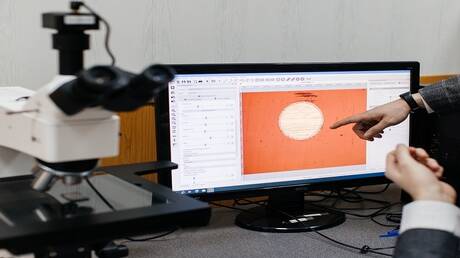
Scientists from Tomsk, Russia, have developed a new technology that increases the service life of steel by 50 times by modifying steel layers with thicknesses ranging from one micrometer to tens of micrometers. These innovations could revolutionize industries that depend on steel, such as construction, transportation, and energy.
This new method of treating steel is an important step towards improving the properties of metallic materials, as it enhances the corrosion and wear resistance of steel, leading to reduced maintenance costs and increased efficiency. The scientists noted that this technology relies on advanced surface treatment techniques, allowing for improved overall performance of steel under harsh operating conditions.
Details of the Innovation
The process developed by the Russian scientists involves modifying steel by adding extremely thin layers, which increases the material's hardness and reduces wear caused by friction and environmental conditions. These layers, which can be as thin as one micrometer, enhance the mechanical properties of steel, making it more suitable for various industrial applications.
This technology may also open new horizons in multiple fields, including the automotive and aerospace industries, where corrosion resistance is a critical factor in ensuring safety and performance efficiency. Researchers have expressed great optimism about the potential for this technology to be applied on a large scale in the near future.
Background & Context
Historically, steel has been one of the essential materials in industry, widely used in constructing structures and equipment. With technological advancements, it has become necessary to improve the properties of steel to meet new challenges, such as corrosion from environmental factors and climate change. Therefore, innovations in this field are crucial for maintaining the sustainability of industries.
In recent years, research in the field of metallic materials has seen significant developments, focusing on enhancing performance through new techniques such as nanotechnology and heat treatment. These innovations reflect the global trend towards achieving higher efficiency in resource use and reducing environmental impact.
Impact & Consequences
This innovation could have a significant impact on the Russian economy, as improving the properties of steel may lead to increased demand for Russian products in global markets. Additionally, reducing maintenance costs and extending the service life of materials can enhance the competitiveness of Russian industries.
Moreover, this technology could contribute to strengthening international cooperation in research and development, as there may be opportunities for knowledge and experience exchange between countries. Such collaboration could lead to the development of new technologies that improve industrial performance on a global scale.
Regional Significance
In the Arab region, the steel industry is a vital sector, playing an important role in supporting infrastructure projects and economic development. Therefore, innovations in this field could have positive effects on Arab countries by improving the quality of materials used in construction.
Enhancing the corrosion resistance of steel may also contribute to reducing costs associated with maintenance and repairs, thereby promoting the sustainability of major projects in the region. Consequently, collaboration with countries making advancements in this field, such as Russia, could yield significant benefits.
In conclusion, this innovation represents an important step towards improving the properties of steel, opening new horizons for various industries and enhancing global competitiveness.