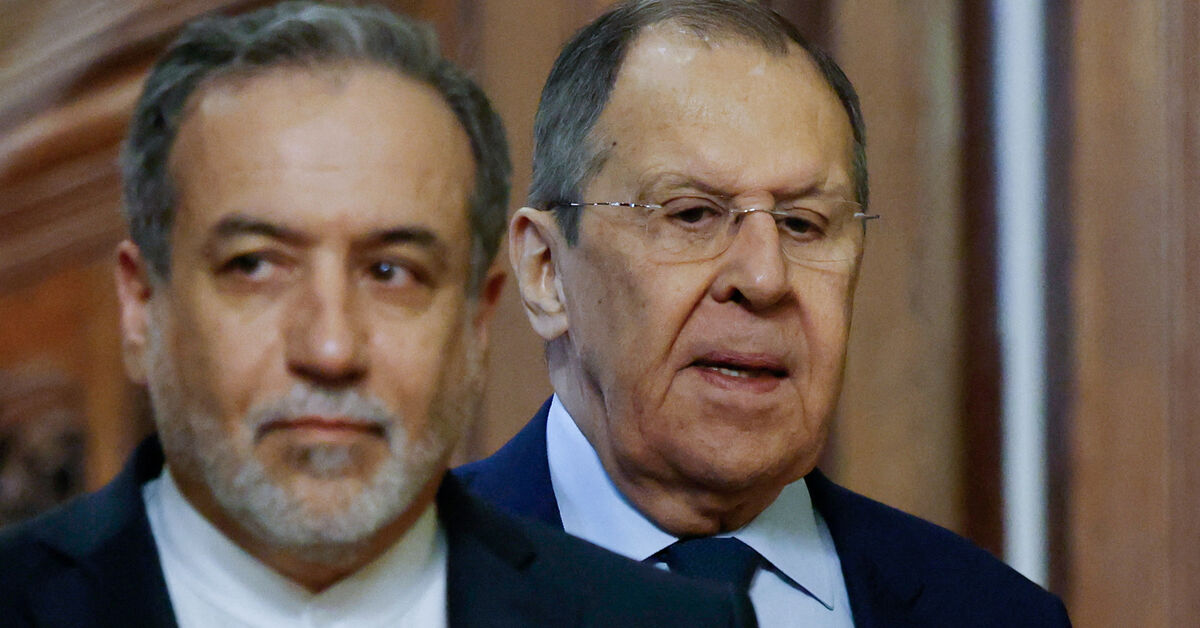
In a move reflecting the increasing tensions in the Middle East, Russian Foreign Minister Sergei Lavrov discussed with his Iranian counterpart Abbas Araghchi the possibility of reaching a diplomatic settlement to the conflict in Iran. This took place during a video conference held on Friday, where Lavrov emphasized that the current crisis is a result of unjustified U.S.-Israeli aggression against Iran.
The meeting addressed the details of the military and political crisis gripping the region, which has worsened in recent years due to external interventions. Lavrov pointed out the importance of dialogue and negotiation as a means to resolve conflicts, especially given the current circumstances in the region.
Details of the Meeting
During the meeting, the ministers discussed the security challenges facing Iran amid military escalation by the United States and its allies. Lavrov affirmed that Russia supports Iran's legitimate right to defend itself, noting that any settlement must take into account the interests of all parties involved. The necessity of enhancing bilateral cooperation between the two countries in various fields, including security and energy, was also emphasized.
On the other hand, Araghchi expressed his appreciation for Russian support and stressed the importance of continued coordination between the two countries to face common challenges. He also called for the need to find peaceful solutions to conflicts in the region, emphasizing that dialogue is the only way to achieve stability.
Background & Context
Historically, Iranian-Russian relations have undergone significant transformations, with Russia being one of the main supporters of Iran in facing Western sanctions. In recent years, the importance of these relations has increased amid rising tensions in the Middle East, especially following the U.S. withdrawal from the Iranian nuclear deal in 2018.
Iran and Russia are considered strategic allies on many regional issues, including the conflict in Syria. This partnership has contributed to strengthening Iran's position against Western pressures, allowing it to play a pivotal role in regional politics.
Impact & Consequences
The continuation of talks between Russia and Iran could help ease tensions in the region and open the door to diplomatic solutions for ongoing conflicts. If an agreement is reached, it could alter the dynamics of the conflict in the Middle East and reduce the influence of Western powers in the region.
Furthermore, any settlement could lead to enhanced cooperation among countries supporting Iran, potentially reshaping alliances in the region. This, in turn, could impact regional stability and prompt a reevaluation of the military and political strategies of major powers.
Regional Significance
Considering the potential impact on the Arab region, any progress in negotiations between Russia and Iran could directly affect neighboring Arab countries, particularly those experiencing conflicts such as Iraq and Syria. Additionally, strengthening relations between Iran and Russia may raise concerns among some Arab states about the increasing Iranian influence in the region.
Ultimately, the question remains about how Arab countries will respond to these developments and whether they will seek to bolster their alliances to counter any potential threats. Dialogue and understanding among nations is the only way to achieve stability in the region, which requires ongoing diplomatic efforts.