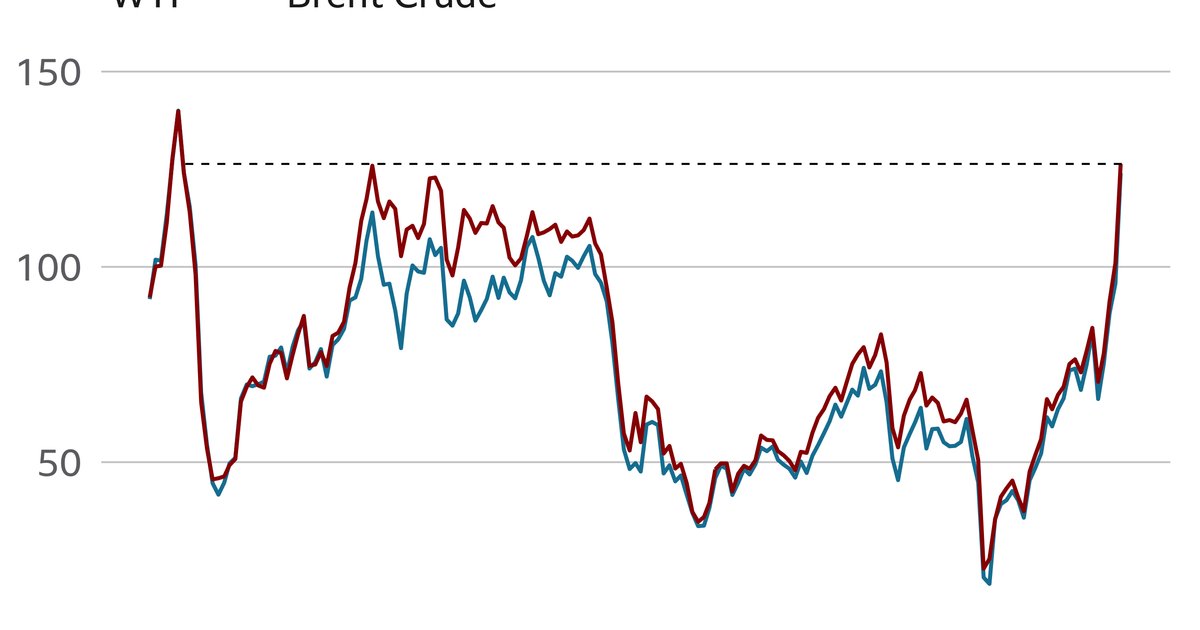
Russian crude oil prices have experienced a notable increase, reaching their highest levels in over 13 years. This surge is a result of the effects of the Iranian war on global markets, allowing Moscow to capitalize on current conditions to enhance its oil revenues.
This price increase indicates a growing global demand for oil, which has been significantly affected by geopolitical conflicts, particularly the ongoing dispute in Iran. Many countries are striving to secure their energy supplies amidst changing circumstances.
Details of the Event
According to reports, Russian oil prices have risen to levels not seen since 2010, with the price of a barrel surpassing the $100 mark. This increase reflects the ongoing tensions in the Middle East, which directly impact global energy markets.
Russia is benefiting from these conditions, being one of the largest oil producers in the world. The increase in prices strengthens its economic position amid Western sanctions imposed on it, allowing it to achieve greater revenues from its oil exports.
Background & Context
Historically, oil prices have experienced significant fluctuations due to political events and military conflicts. The Iranian war, which began in 1980 and lasted for eight years, had profound effects on global oil markets. Since then, the Middle East has become a major hub for oil supply, making it susceptible to political tensions.
In recent years, tensions have resurfaced with escalating conflicts in the region, leading to increased concerns about the stability of oil supplies. These dynamics play a crucial role in determining oil prices, as markets react to any news related to ongoing conflicts.
Impact & Consequences
The rise in oil prices has multiple effects on the global economy. On one hand, it can lead to increased energy costs, negatively impacting economic growth in some countries. On the other hand, it can enhance the revenues of oil-producing countries like Russia, enabling them to boost investments in other areas.
This increase may also affect fuel prices in consuming countries, potentially leading to higher living costs. At the same time, some companies may benefit from rising prices through increased profits, reflecting the disparity in economic impacts.
Regional Significance
For Arab countries, the rise in oil prices can have both positive and negative effects. Oil-producing countries like Saudi Arabia and the UAE may benefit from increased revenues, bolstering their public budgets.
Conversely, oil-importing countries may face economic challenges due to rising energy costs. This situation could lead to increased inflationary pressures, affecting economic and social stability in these countries.
In conclusion, under the current circumstances, the future of oil prices remains tied to geopolitical developments in the region. It is clear that the Iranian war has far-reaching effects on energy markets, necessitating close monitoring by the concerned countries.