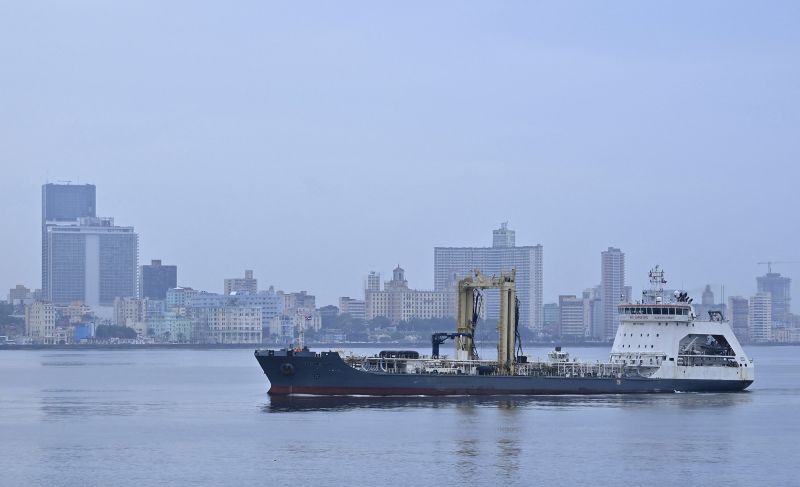
A Russian oil tanker is nearing arrival in Cuba, reigniting tensions over the island's energy supplies amid an unprecedented electricity crisis. The situation exacerbates the daily struggles of the Cuban population facing power outages.
This move is controversial, especially given the economic blockade imposed by the United States on Cuba, aimed at reducing the island's ability to secure essential resources. However, it appears that the administration of former President Donald Trump did not oppose the tanker’s arrival, raising questions about U.S. policy towards Cuba under the current circumstances.
Details of the Event
Cuba is one of the countries suffering from a severe energy shortage, experiencing frequent electricity outages in recent months, which have impacted the daily lives of its citizens. Reports indicate that the Cuban government is struggling to secure energy supplies due to U.S. sanctions and global economic crises.
In this context, the approaching Russian tanker raises new hopes for improving the energy situation in the country. The tanker is expected to carry large quantities of oil, which could help the government alleviate the current crisis. However, questions remain about how this will affect Cuba's international relations, particularly with the United States.
Background & Context
Historically, Cuba has relied on external support to meet its energy needs, particularly from communist countries like the former Soviet Union. With the collapse of the Soviet Union, Cuba faced significant difficulties in securing energy supplies, leading to recurring crises in this sector.
In recent years, Cuba has attempted to diversify its energy sources, including cooperation with countries like Russia and Venezuela. However, U.S. sanctions aimed at reducing Cuba's capacity for international trade have complicated the situation, making it more challenging for the country to secure its basic needs.
Impact & Consequences
The arrival of the Russian tanker in Cuba is a significant step that may affect international relations in the region. This could provoke reactions from the United States, which may view it as a challenge to its policies towards Cuba. Additionally, this development could encourage other countries to strengthen their relations with Cuba, potentially altering the dynamics of regional politics.
Moreover, improving energy supplies in Cuba could lead to greater stability in the country, positively impacting its economic and social situation. However, concerns remain about how these new relationships will affect human rights and fundamental freedoms in Cuba.
Regional Significance
The energy crisis in Cuba serves as an example of the challenges faced by many countries worldwide, including some Arab nations experiencing similar crises. With rising energy demand in the region, Arab countries face significant challenges in securing energy supplies, particularly amid political and economic tensions.
It may be beneficial for Arab nations to learn from Cuba's experience in diversifying energy sources and cooperating with other countries. Strengthening relations with nations like Russia could open new avenues for collaboration in energy and trade.
In conclusion, the arrival of the Russian tanker in Cuba is an important event that could reshape international relations in the region and highlights the need for new solutions to the energy crises faced by many countries.