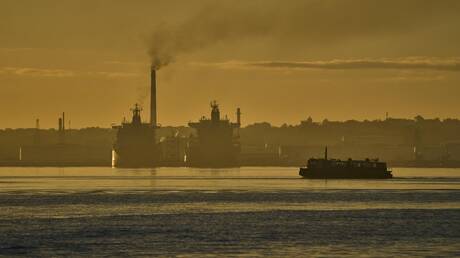
US authorities, represented by the Coast Guard, have permitted a Russian oil tanker to sail towards Cuba, following months of a stringent oil blockade on the island. This decision comes at a time when international relations are increasingly tense, particularly between the United States and Russia.
Cuba, which is suffering from a severe economic crisis, is in desperate need of oil supplies. This decision has elicited mixed reactions; some view it as a step towards alleviating economic pressures on the island, while others see it as an interference in US blockade policies.
Details of the Event
According to reports from the New York Times, the Russian tanker that has been allowed to sail is carrying a shipment of crude oil, which is unusual given the blockade imposed on Cuba. The blockade, which began in the 1960s, aims to undermine the communist regime on the island and has significantly impacted the Cuban economy, prompting the government to seek alternative energy sources.
It is noteworthy that Cuba heavily relies on imports to meet its energy needs, and with increasing economic pressures, it has become critically dependent on sustainable oil supplies. Russia has long been one of Cuba's key allies, providing economic and political support to the island during times of crisis.
Background & Context
Historically, Cuba was under the influence of the Soviet Union during the Cold War, being considered a point of tension between the United States and Russia. After the collapse of the Soviet Union, Cuba faced significant economic challenges, leading it to seek new allies. As tensions between the United States and Russia have escalated in recent years, Cuba has once again become a focal point of political interest.
The US blockade on Cuba has affected all aspects of life on the island, including health, education, and the economy. However, relations with Russia have strengthened, as Cuba seeks to enhance its partnerships with countries that oppose US dominance.
Impact & Consequences
This decision may have significant implications for international relations, as it could be seen as a challenge to US policies in the region. It may also encourage other countries to seek ways to cooperate with Russia, potentially leading to further tensions in relations between the United States and its allies.
Moreover, allowing a Russian oil tanker to sail to Cuba could open the door for increased economic cooperation between the two countries, which may enhance Cuba's ability to face the economic challenges it is encountering.
Regional Significance
As Cuba continues to seek external support, this event may have repercussions for Arab countries facing similar crises. This decision could be seen as a model for how to seek allies amid economic and political pressures.
Additionally, Russian relations with Arab countries may see further strengthening, particularly in light of current tensions in the region. Cuba can be viewed as an example of how to enhance cooperation between nations facing similar challenges.
In conclusion, the allowance for the Russian oil tanker to sail to Cuba highlights the complexities of international relations at present. As economic and political pressures continue, we may witness further shifts in international alliances, warranting close monitoring by the international community.