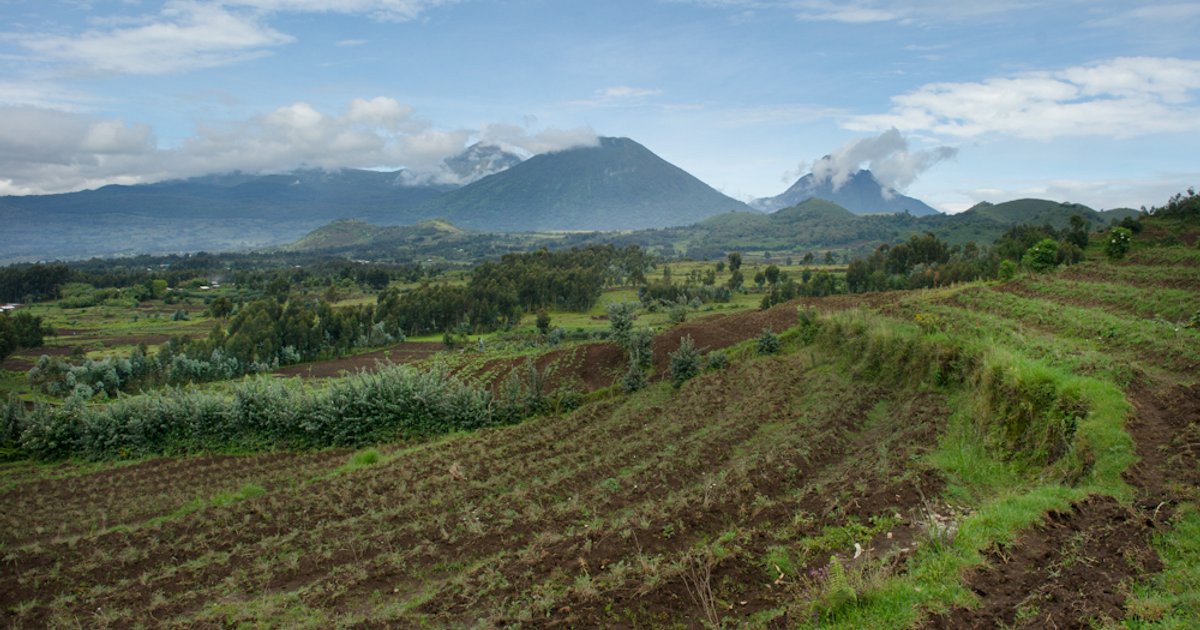
The Rwandan government is diligently working to protect the agricultural land in the country, which is considered the most densely populated in Africa. These efforts are part of a strategy to confront the escalating challenges posed by population growth and urban expansion, which threaten the country's food security.
Statistics indicate that Rwanda, with an area of approximately 26,338 square kilometers, hosts over 12 million inhabitants, making it one of the most densely populated countries in the world. In this context, the government has launched several initiatives aimed at promoting sustainable agriculture and protecting agricultural land from being converted into residential or industrial areas.
Government Initiatives for Agricultural Protection
The government's efforts include the establishment of protected agricultural zones, where specific lands are designated to be preserved as agricultural spaces. Additionally, the government aims to encourage farmers to adopt modern agricultural techniques that enhance land productivity while maintaining its quality. Awareness campaigns have been launched to educate farmers about the importance of preserving agricultural land and its role in achieving food security.
Agriculture is a primary source of income in Rwanda, with over 70% of the population relying on it. However, rapid urban expansion and population pressure pose significant threats to agricultural resources. Therefore, protecting these lands is considered a top priority for the government.
Background & Context
Historically, Rwanda has heavily relied on agriculture as a mainstay of its economy. Over time, the country has experienced significant changes due to conflicts and civil wars that have impacted infrastructure and resources. Following the end of the conflict in the 1990s, the government began rebuilding the economy, focusing on agriculture as a vital sector.
In recent years, with the increasing population, it has become essential to take effective steps to protect agricultural land. Studies have shown that the loss of agricultural land can lead to increased poverty and hunger, making this issue of utmost importance for both the government and society.
Impact & Consequences
If effective measures are not taken to protect agricultural land, Rwanda may face a severe food crisis in the future. Projections indicate that the population could exceed 20 million by 2050, increasing pressure on agricultural resources. Thus, preserving agricultural land is considered an investment in the country's future.
Moreover, protecting agricultural land can contribute to improving the living conditions of the population. By promoting sustainable agriculture, new job opportunities can be created, and farmers' incomes can be increased, contributing to an improved standard of living.
Regional Significance
The issue of food security is also a significant concern for many Arab countries. With the increasing population in Arab nations, the need to protect agricultural land and enhance agricultural productivity has become urgent. Rwanda's experience in safeguarding its agricultural land could serve as a model for the region.
In conclusion, Rwanda's efforts to protect agricultural land highlight the importance of sustainable planning in addressing population challenges. Preserving these lands is not only essential for food security but is also an investment in the future of upcoming generations.