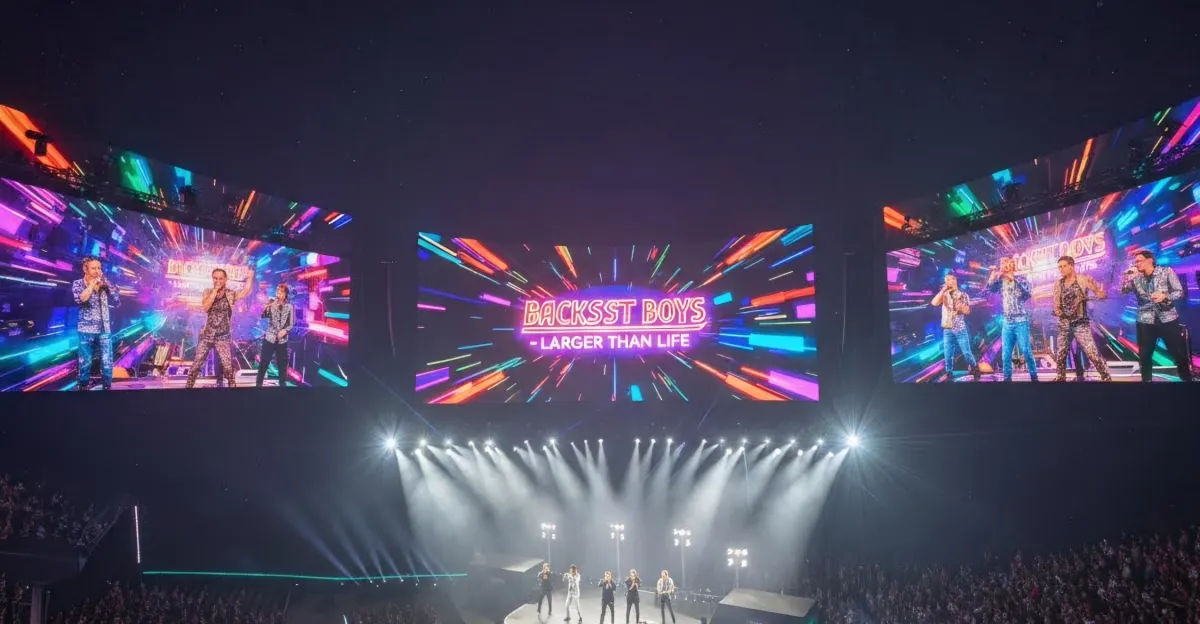
Samsung has announced a new update for the photo app on its Galaxy S26 smartphone, which includes a range of AI-based editing tools. This update enables users to make unconventional edits, such as changing clothing in photos or adding people who are not actually present, raising questions about the boundaries of image manipulation and whether such practices are acceptable.
These features were unveiled during the Unpacked event held last February, where Samsung demonstrated how users can utilize natural language commands to make changes to their images. Although these tools are not entirely new, the way Samsung presented these features indicates a significant shift in the concept of photography.
Details of the Event
The new editing tools in the photo app allow users to add new elements to images, such as inserting a band into the background of a photo taken at a different event. For instance, users can add members of the Backstreet Boys to a photo captured at a concert, making life seem more exciting. However, these modifications may lead to unrealistic results, as the edited images often lack credibility.
When experimenting with the editing tools, results showed that there are certain restrictions on modifications, as specific words like "corpse" or "fire" cannot be used, ensuring that these tools are not employed to create harmful content. Nevertheless, the final results may appear artificial or unnatural, raising questions about the quality of these edits.
Background & Context
This move comes amid rapid developments in the field of artificial intelligence and photo editing, as major tech companies like Google and Samsung begin to integrate these technologies into their products. In recent years, there has been an increase in the use of AI-based editing tools, leading to significant changes in how we perceive images and what they signify.
Historically, photography has been viewed as a means of documenting reality, but with the emergence of these new tools, it has become possible to significantly alter images, changing our understanding of photos as a means of communication. This shift raises questions about whether edited images still reflect truth or are merely fictional representations.
Impact & Consequences
AI-based photo editing tools raise numerous ethical issues, including questions of credibility and image manipulation. In a world increasingly reliant on images in media and social networks, these tools could lead to the spread of misinformation or fake images, affecting how we understand events and situations.
Furthermore, the use of these tools may lead to changes in how we evaluate images, as it may become challenging to distinguish between real and edited photos. This challenge could impact trust in media and increase skepticism about the information we receive.
Regional Significance
In the Arab region, where images play a crucial role in conveying news and information, AI-based photo editing technologies could have a significant impact. These tools may lead to an increase in the circulation of edited images, potentially affecting how people understand current events.
Additionally, the use of these technologies could open the door to further manipulation of information, requiring users to be more aware and cautious when dealing with the images they encounter. In light of these challenges, it becomes essential to promote awareness about the importance of verifying information and credibility in media.