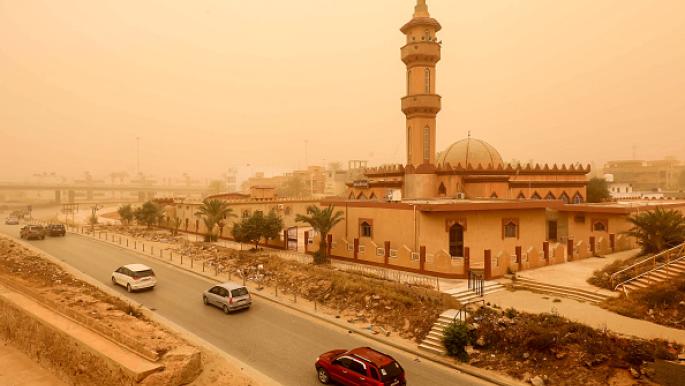
Since Wednesday, Libya has been experiencing a powerful sandstorm caused by a desert low-pressure system, particularly affecting the far eastern regions and partially extending to the southeast. This weather phenomenon has led to deteriorated visibility and increased dust levels in the air.
The sandstorm, which is considered part of the climatic changes affecting the region, has significantly impacted traffic and daily activities of citizens. Local authorities have issued warnings for citizens to take necessary precautions, especially for those suffering from respiratory issues.
Details of the Event
Reports indicate that the sandstorm began affecting areas such as Tabruq and Al-Bayda, where these cities witnessed a noticeable decline in visibility, leading to the cancellation of some flights and delays in ground transportation. Traffic congestion has also been reported due to the difficulty in visibility.
The strong winds accompanying the storm have spread dust into the atmosphere, affecting air quality and leading to increased pollution levels. The Ministry of Health has warned that these conditions may pose a risk to public health, especially for vulnerable groups.
Background & Context
Sandstorms are part of the desert climate that characterizes North African regions, with these phenomena occurring periodically. With global climate changes, these storms have become more severe and frequent, raising concerns about their impact on the environment and human health.
In recent years, Libya has witnessed numerous severe weather phenomena, including floods and sandstorms, reflecting the environmental challenges facing the country. These changes have affected agriculture and water resources, increasing pressures on the local economy.
Impact & Consequences
The impacts of the sandstorm extend beyond local borders, potentially affecting trade and transportation between neighboring countries. The deterioration of air quality may lead to an increase in respiratory illnesses, placing additional pressure on the country's healthcare system.
These weather phenomena also highlight the urgent need to develop effective strategies for adapting to climate changes. This requires cooperation between local and international governments to establish comprehensive plans to address environmental challenges.
Regional Significance
Sandstorms are a common phenomenon in many Arab countries, affecting the daily lives of citizens and increasing environmental challenges. In light of climate changes, these phenomena are expected to increase, necessitating effective responses from governments and communities.
Although sandstorms may seem like a natural occurrence, their impacts require special attention from policymakers and environmental planners. Clear strategies must be in place to mitigate their effects and enhance public awareness on how to cope with them.
In conclusion, the sandstorm hitting eastern Libya serves as a reminder of the importance of adapting to climate changes and the environmental challenges facing the region. Joint efforts are required to ensure the safety of citizens and protect the environment.