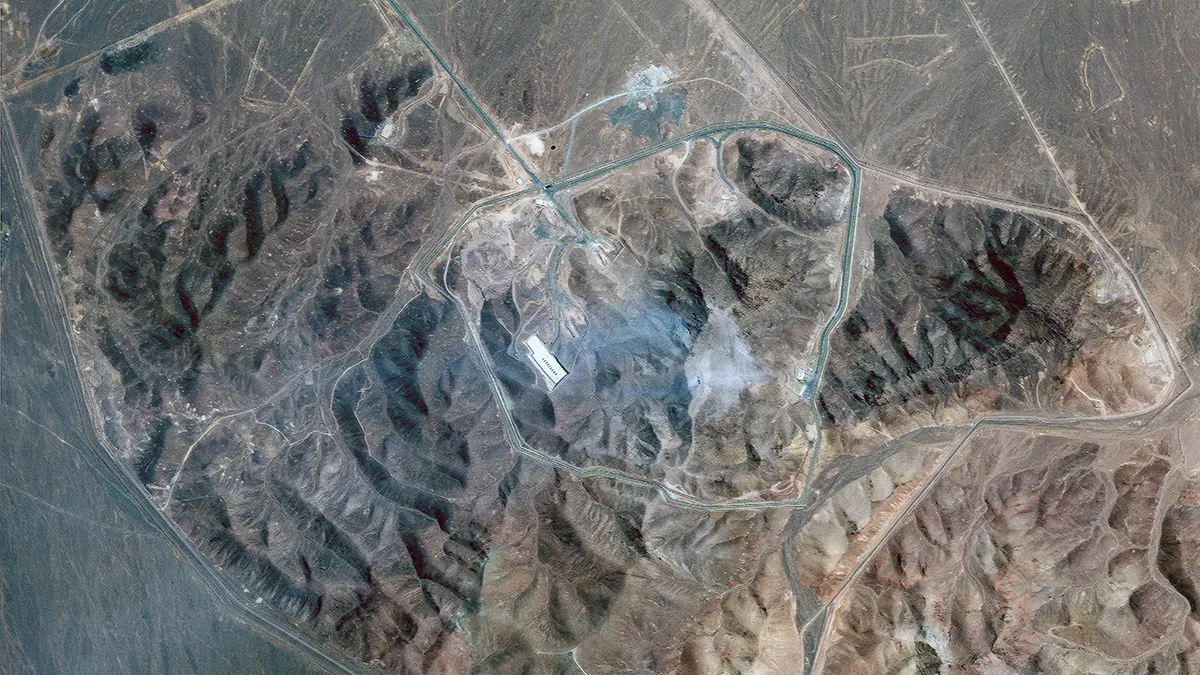
Satellite images, analyzed by Al Jazeera's open-source team, reveal severe damage to energy facilities in Iran during March 2026. The attacks, believed to be American-Israeli, targeted power and water plants, gas processing facilities, and oil storage sites, including a major refinery located south of Tehran.
On Qeshm Island, satellite images captured on March 9 showed destruction within the Qeshm water and electricity station. Three points within the station were targeted, indicating the precision of the strikes aimed at sensitive operational components.
Details of the Incident
In the Assaluyeh area, images taken on March 29 revealed damage to gas processing and production facilities, leading to a temporary halt of some units within the plants. This reflects a direct impact on the operational capacity of the Iranian gas sector.
In northern Tehran, images captured on March 17 showed devastation at the Shaharan oil depot, with thick smoke rising from the site following the attack, alongside signs of charring and extensive damage within the facility.
In Karaj city, images taken on March 17 displayed destruction at an oil facility in the municipality's tenth district, where approximately 13 out of 19 storage units were damaged, reflecting the scale of losses at the site.
At the Aghdasieh depot northeast of Tehran, images captured on March 27 showed widespread destruction within the site, while images from March 9 revealed a dense smoke cloud covering the area, with fire damage extending to most parts of the facility.
At the Tehran oil refinery south of the capital, satellite images captured on March 27 showed significant destruction, with damage affecting around 19 oil storage units, in addition to several buildings within the refinery. Images from March 9 indicated massive smoke columns rising for several kilometers, covering parts of the city, reflecting the extent of the damage inflicted on the site.
Background & Context
These visual data indicate that American-Israeli attacks have extended to the vital infrastructure of the Iranian energy sector, targeting production, processing, and storage facilities. These strikes reflect an attempt to impact operational and supply capabilities in one of the country's most strategic sectors.
In the context of escalation, the administration of former U.S. President Donald Trump adopted a strategy aimed at targeting Iranian energy sources, considering them a fundamental pillar for financing military capabilities and regional influence. This approach includes striking oil and gas facilities and the related infrastructure.
Impact & Consequences
Iran responded to these attacks by intensifying its missile and drone strikes, targeting energy and electricity sources in several Gulf countries. These steps come in an effort to impose a mutual deterrence equation and raise the cost of escalation, complicating the security situation in the region.
Concerns are growing that these attacks could lead to greater escalation in tensions between Iran and the United States and its allies, potentially affecting the stability of the entire region. Additionally, targeting vital infrastructure reflects a new strategy that could lead to radical changes in the regional balance of power.
Regional Significance
These developments are particularly significant for Arab countries, as they may lead to increased tensions in the Gulf region. Furthermore, targeting energy facilities could impact global oil prices, reflecting on the economies of oil-dependent Arab nations.
In conclusion, these events highlight the importance of enhancing security and stability in the region, as continued escalation could lead to serious repercussions for regional and international security.