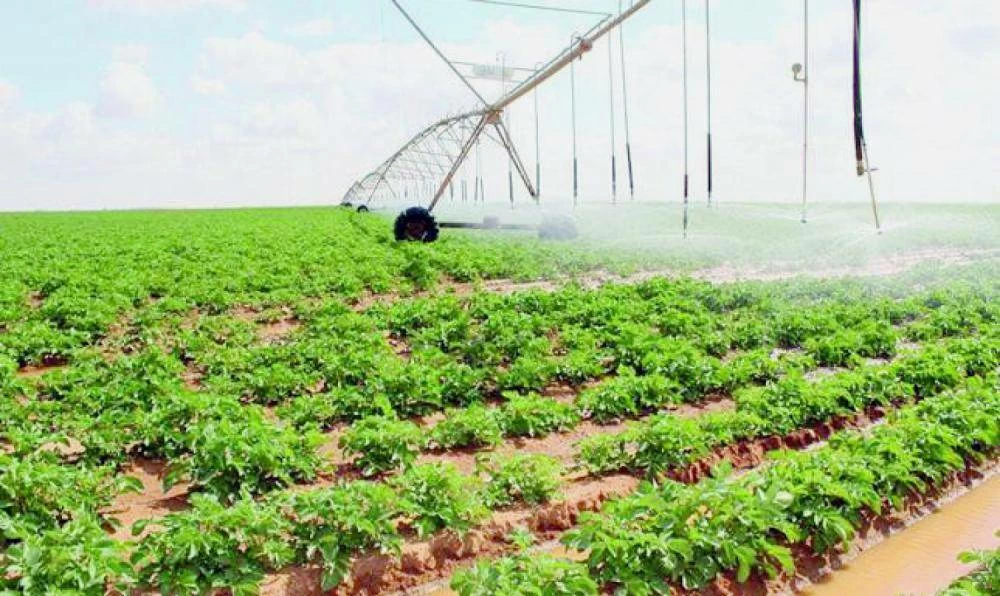
The agricultural sector in the Kingdom of Saudi Arabia has undergone a radical transformation, with agricultural production rising from approximately 6 million tons in 2016 to over 12 million tons by 2025. This growth reflects significant advancements in agricultural infrastructure and increased efficiency in local production, contributing to the goals of Saudi Vision 2030.
In the past five years, the Saudi Agricultural Development Fund has injected over 25 billion riyals in funding, stimulating agricultural investments exceeding 36 billion riyals. These investments enhance the expansion of the agricultural sector and increase its production capacity, positively impacting the national economy.
Event Details
The Saudi RIF program has also launched direct support for small farmers, amounting to over 2.9 billion riyals between 2020 and 2025. This program aims to empower local production and improve the income of rural families, thereby enhancing the sustainability of the agricultural sector.
The Kingdom continues to bolster its food security by increasing self-sufficiency rates in strategic commodities. The country has recorded 76% in poultry meat, 69% in fish and shrimp, 55% in red meat, 105% in table eggs (surplus production), and 120% in dairy products (surplus production). These figures reflect a significant shift towards reducing dependence on imports and enhancing local production.
Background & Context
In the water sector, strategic storage capacities have increased from 13.6 million cubic meters daily to approximately 30 million cubic meters daily, representing an increase of over 121%. This increase enhances the Kingdom's readiness to meet the growing demand for water, while Saudi Arabia continues to distinguish itself globally by possessing three floating desalination plants, showcasing its leadership in unconventional water solutions.
These indicators serve as evidence of significant progress in both food and water security as part of Saudi Vision 2030. The Kingdom has successfully doubled agricultural production, enhanced self-sufficiency, and developed its water capabilities, thereby promoting resource sustainability and solidifying its position as a leading model for global food security.
Impact & Consequences
These developments contribute to enhancing the Kingdom's ability to face future challenges related to food and water security. They also reflect the efforts made to improve local production, highlighting the importance of investments in the agricultural sector, which contributes to achieving sustainable development.
Furthermore, these achievements bolster Saudi Arabia's position in the regional and international markets, opening new avenues for cooperation with other countries in the fields of agriculture and water.
Regional Significance
Saudi Arabia's experience in enhancing agricultural production and water security serves as a model for other Arab countries. Amid the climatic and economic challenges facing the region, this experience can motivate Arab nations to develop similar strategies.
In conclusion, these achievements reflect the Kingdom's commitment to achieving food and water security, enhancing its economic stability, and embodying its ambitious vision for a better future.