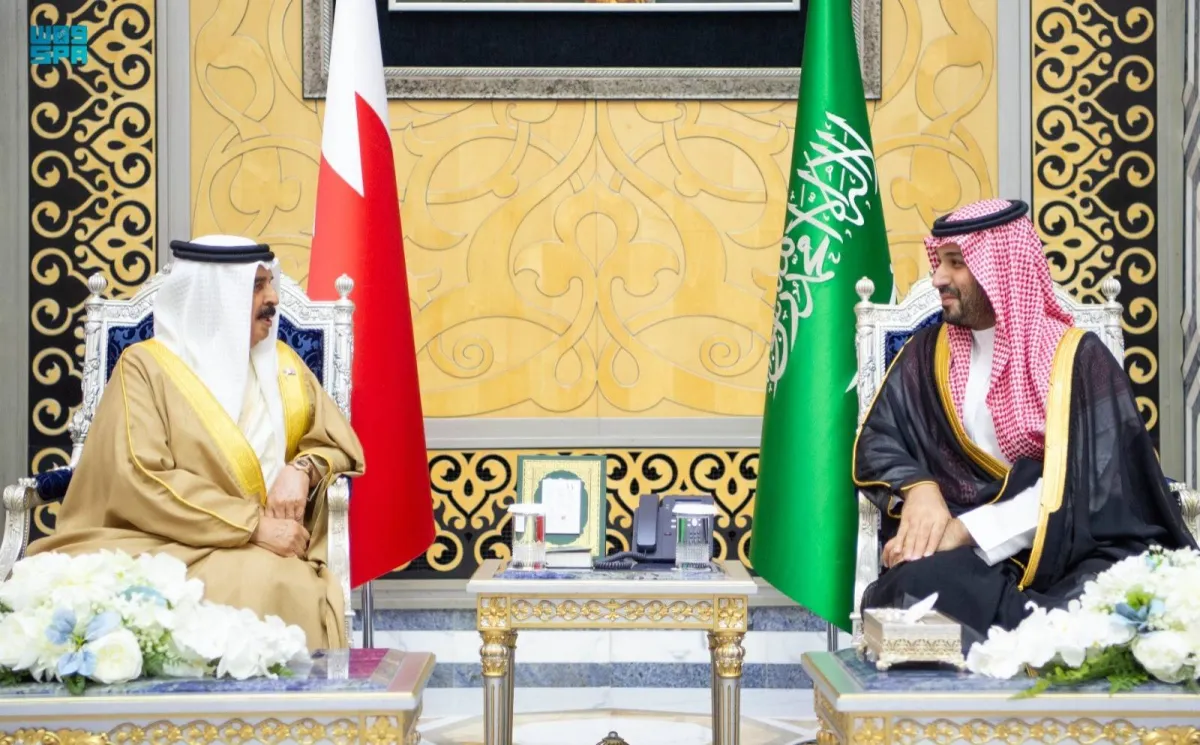
On Tuesday, Saudi Arabia hosted the consultative Gulf summit in the city of Jeddah, where the Saudi Crown Prince emphasized the importance of consultation and coordination with the leadership of the Gulf Cooperation Council (GCC) states. The summit is part of efforts to enhance integration and joint Gulf action, especially in light of the security and economic crises facing the region.
Leaders of the GCC states flocked to Jeddah to participate in this exceptional summit, aimed at discussing the escalating regional developments. This comes amid delicate circumstances revealing a significant shift in the regional security system, necessitating enhanced Gulf cooperation and the development of integrated strategies to address crises.
Event Details
Informed sources indicated that Saudi leadership, in collaboration with Gulf leaders, has led diplomatic efforts to avoid escalation in the region. GCC states have repeatedly confirmed their commitment to not using their territories to launch any attacks on Iran, aiming to prevent the widening of tensions. However, Iran and its militias in the region have continued to expand the scope of conflict through unprovoked attacks on GCC countries.
In this context, political analyst Munif Al-Harbi condemned the Iranian assaults, warning of the dangers of escalation that violates international law and threatens regional security and stability. Al-Harbi also emphasized that the security of GCC states is unified, and any attack on a member state is considered an attack on all, necessitating the strengthening of defense and security integration.
Background & Context
This summit comes at a critical time, as GCC states are affected by the repercussions of regional wars, including stalled negotiations and fragile ceasefires. The GCC has shown steadfast support for Pakistani mediation, emphasizing the need for a Gulf perspective at the negotiation table. Additionally, the damages caused by Iranian aggression, including the closure of the Strait of Hormuz, reflect the urgent need to unify the Gulf position.
Dr. Khalid Al-Habbas anticipated that the summit would reaffirm the unity of the Gulf stance regarding the war and condemn Iranian aggression. It will also stress the importance of opening the Strait of Hormuz in accordance with international law principles and reject any special arrangements sought by Iran.
Impact & Consequences
The summit underscores the importance of coordination and integration in Gulf efforts to confront challenges arising from the Iranian war. GCC states have demonstrated a high capacity to respond to missile and drone attacks, reflecting the strength of their defense system. Economic and logistical coordination has also been enhanced, with Saudi Arabia contributing to global supply and markets through the continuity of oil exports.
The summit is also expected to reaffirm support for regional and international efforts aimed at reaching a comprehensive political settlement that takes into account the Gulf states' concerns regarding Iranian aggressive behavior. It will emphasize the importance of stringent international guarantees for any agreement reached.
Regional Significance
This summit is a significant step towards enhancing security and stability in the region, as GCC states seek to unify their efforts to face common challenges. Gulf coordination in defense, politics, and economics is essential to counter any potential threats and reflects the commitment of Gulf countries to protect their shared interests.
In conclusion, the Gulf summit in Jeddah reflects the countries' commitment to enhancing cooperation and coordination to address regional challenges, contributing to achieving security and stability in the region.