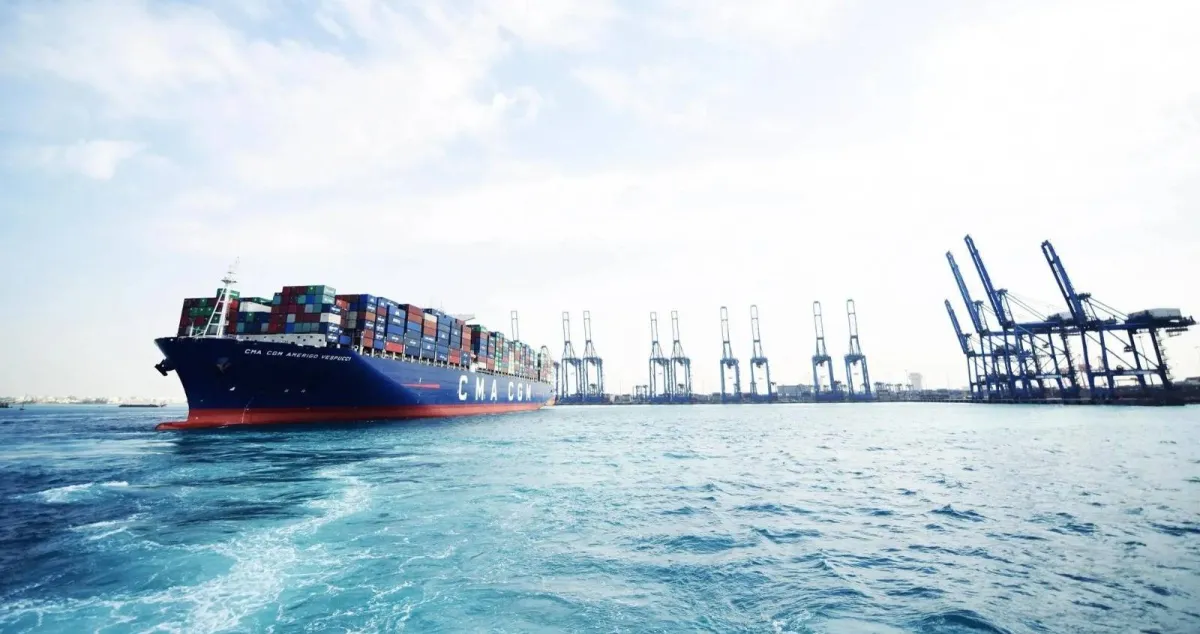
Amid the increasing crises affecting global supply chains, Saudi Arabia has become a major player in reshaping trade flows, taking advantage of its unique geographic position that connects East and West. This transformation comes at a time when vital corridors, such as the Strait of Hormuz, are experiencing escalating geopolitical tensions.
The Kingdom aims to enhance its logistics infrastructure through the targets set in Vision 2030, making it a preferred destination for global investments in this sector. Experts have noted that this new reality is no longer just a temporary response but has turned into a strategic opportunity attracting major logistics companies seeking safer and more reliable hubs.
Event Details
With the increasing reliance on Saudi Red Sea ports, global companies are beginning to view them as a practical and secure alternative. Nashmi Al-Harbi, a logistics services expert, confirmed that major crises redraw investment maps, and the Strait of Hormuz is no exception. He explained that commercial vessels are increasingly turning to Red Sea ports, reflecting the resilience of the Kingdom's infrastructure.
Al-Harbi also pointed out that Saudi Arabia is no longer just a consumer market but has become a global logistics hub, aligning with the goals of Vision 2030. The Kingdom has issued exceptional directives to facilitate the movement of goods heading to Gulf markets through its territory, enhancing its role as a key hub in the international supply chain map.
Background & Context
Historically, Saudi Arabia has relied on its strategic geographic location, allowing access to two maritime fronts, the Arabian Gulf and the Red Sea. This position has granted it a competitive advantage amid current crises, with exports from the Yanbu port on the Red Sea rising to 3.8 million barrels per day, benefiting from the East-West pipeline established in the 1980s.
Agreements have also been signed to establish logistical connections with the Port of Sharjah and Omani and Kuwaiti ports, enabling the diversion of shipping flows from the Arabian Sea to Saudi Red Sea ports. This operational flexibility distinguishes the Kingdom from other countries in the region.
Impact & Consequences
Experts expect these crises to lead to a restructuring of supply chains, as the current crisis represents a significant turning point in the path of Gulf logistical integration. Al-Harbi emphasizes that innovation will be essential under current circumstances, with expectations for increased reliance on smart tracking systems and risk management in supply chains.
Moreover, Gulf countries are beginning to realize that the scale of the crisis requires new thinking, as the Kingdom had been working on developing its logistics infrastructure before the crisis, proving the validity of this approach and accelerating its achievement. The logistics sector in Saudi Arabia is expected to witness unprecedented growth.
Regional Significance
Today, Saudi Arabia is considered a major logistics hub in the region, enhancing its ability to support regional trade flows. This new role may contribute to improving trade relations between Gulf countries and strengthening economic integration in the region.
In conclusion, it appears that Saudi Arabia is on track to achieve its ambitious goals in logistics, making it a focal point for global companies seeking a stable and reliable investment environment.