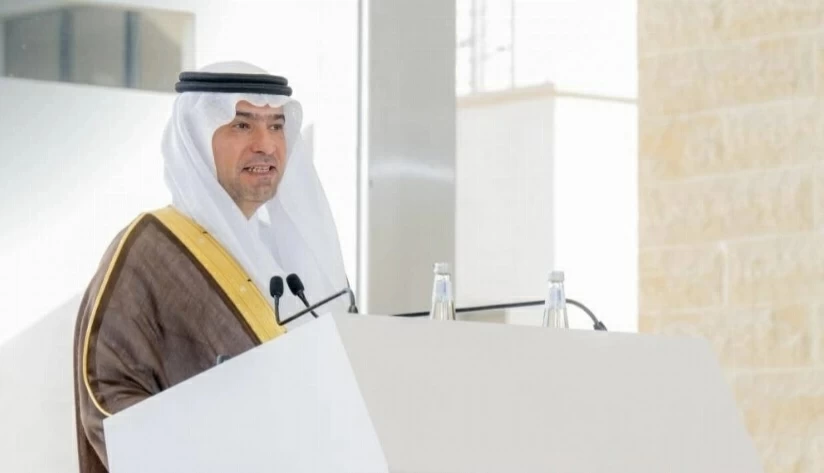
Saudi Arabia's Minister of Municipalities and Housing, Majid Al-Hoqail, revealed the Kingdom's plan to issue real estate sukuk in global markets worth 150 billion riyals (around 40 billion dollars) by 2030. Al-Hoqail explained during a meeting with the "Asharq" newspaper on the sidelines of the World Urban Forum in Baku, Azerbaijan, that the Kingdom is waiting for geopolitical stability that has affected global financing costs before it begins this year to issue annual sukuk worth 20 billion riyals.
The minister noted that the Kingdom has completed a package of measures to regulate the real estate market, having approved the executive regulation for fees on vacant properties last week, following the earlier approval of fees on undeveloped land. These steps are part of the government's efforts to enhance transparency and organize the real estate market.
Details of the Initiative
Al-Hoqail confirmed that the new policies will be applied to cities that require intervention to improve market balance. He explained that the General Authority for Real Estate will announce indicators to help determine when intervention is necessary, such as property prices compared to inflation rates, rents compared to income, and the vacancy rate of properties. These indicators will assist in making appropriate decisions to regulate the market.
The minister added that the reform package has begun to yield results, as the city of Riyadh has seen record numbers in the issuance of licenses, indicating that a significant supply will enter the market. He pointed out that increasing supply compared to demand will contribute to achieving the desired balance in the real estate market.
Background & Context
This initiative is part of Saudi Vision 2030, which aims to diversify the economy and reduce dependence on oil. The real estate market in the Kingdom has undergone significant changes in recent years, as the government seeks to improve the quality of life for citizens and residents by providing suitable and affordable housing.
In recent years, the real estate market has faced multiple challenges, including rising prices and a shortage of supply. However, the current reforms aim to address these issues and achieve greater stability in the market.
Impact & Consequences
These sukuk are expected to attract foreign investments and enhance confidence in the Saudi real estate market. They will also help finance major projects needed by the Kingdom to achieve its developmental goals.
This initiative is also an indicator of the Kingdom's ability to cope with global economic challenges, reflecting its ambitious strategy to promote economic growth and develop infrastructure.
Regional Significance
Saudi Arabia's experience in issuing real estate sukuk serves as a model for the region, potentially inspiring other countries to strengthen their real estate markets and attract investments. The success of this initiative could also contribute to improving the economic situation in the region as a whole.
In conclusion, the plan to issue real estate sukuk represents an important strategic step towards achieving sustainable development in the Kingdom, reflecting the government's commitment to improving quality of life and enhancing the national economy.