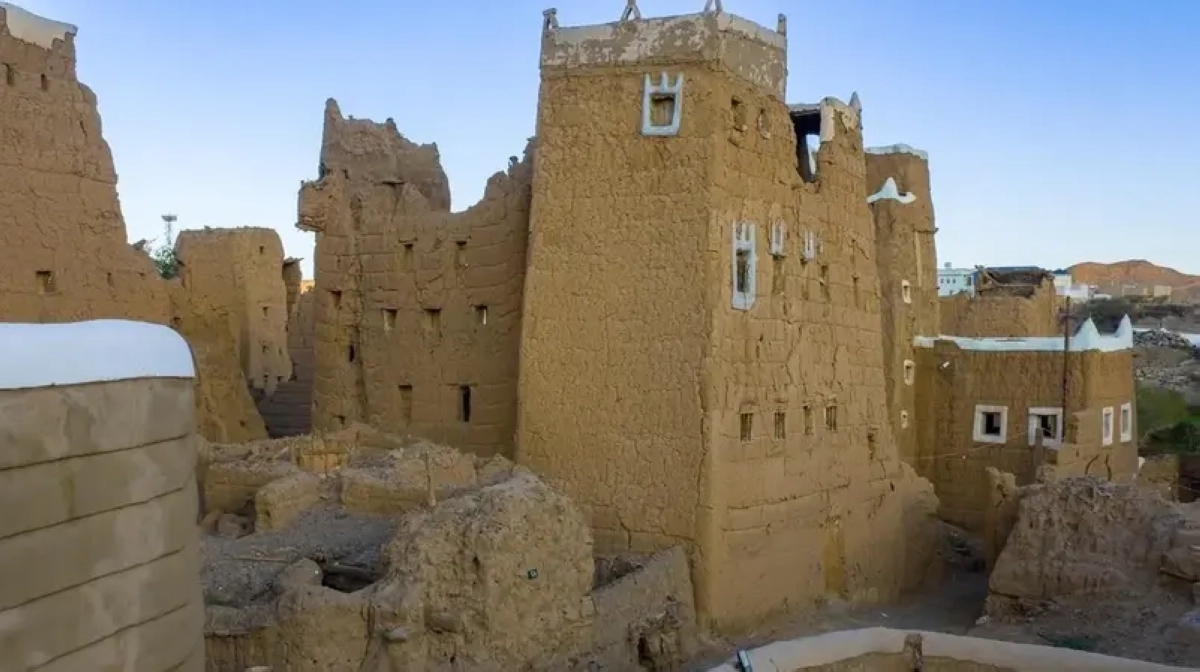
Saudi Arabia is preparing to launch a national program aimed at revitalizing heritage villages, seeking to revive historical villages and sites, transforming them into cultural, tourism, and economic destinations. This program is part of Vision 2030, which aims to enhance the sustainability of the country’s architectural heritage.
Data indicates that there are approximately 562 heritage villages and towns privately owned in Saudi Arabia, reflecting the diversity of architectural heritage and the wide investment opportunities associated with it, alongside the challenges related to its protection and rehabilitation. The General Authority for Heritage has reported that preventive interventions for rehabilitation have been implemented in over 160 heritage sites, aiming to protect buildings and artifacts from deterioration and environmental factors.
Event Details
In recent months, relevant authorities have completed 37 comprehensive projects for the rehabilitation of heritage sites, including many prominent landmarks such as Al-Qishlah Palace and the Al-Atawiyah sites in the Al-Baha region, as well as the towns of Shuqra and Al-Shuqra, along with historical sites like Quba Castle, Al-Oyun Castle, and Urwah Palace. The anticipated program for revitalizing heritage villages is part of a national strategy aimed at economically exploiting these sites and transforming them into engines for local development, thereby enhancing cultural tourism and supporting surrounding communities.
The authority clarified that more than 100 heritage villages are classified within category A, reflecting their historical and architectural significance, placing them among the priorities for rehabilitation and development projects. The authority relies on the National Register of Urban Heritage, alongside ongoing field visits, to monitor the condition of sites and identify their developmental needs, enhancing planning efficiency and supporting protection and rehabilitation decisions.
Background & Context
This initiative is part of the national cultural strategy launched by the Kingdom in 2019, which aims to enhance cultural identity and preserve civilizational heritage. It aligns with regulations that support culture and protect heritage, enhancing the Kingdom's presence on the global cultural stage. These steps are part of the Kingdom's efforts to promote cultural tourism, which represents one of the main pillars of Vision 2030.
The Kingdom seeks to transform these villages into attractive tourist destinations, contributing to the enhancement of the local economy and providing new job opportunities. This initiative reflects the Kingdom's commitment to preserving its cultural and architectural heritage, thereby enhancing its status in the world.
Impact & Consequences
This program is expected to have positive effects on the local economy, as it will contribute to attracting investments and stimulating tourism activity. It will also help enhance cultural awareness among citizens and visitors, thereby increasing the value of cultural heritage in society. The rehabilitation of these heritage sites will contribute to improving the quality of life in surrounding areas and foster a sense of belonging among local residents.
Moreover, this program may open new avenues for cooperation with other countries in the field of cultural tourism, enhancing the Kingdom's international relations and reflecting its commitment to preserving global cultural heritage.
Regional Significance
This step serves as a model for the Arab region, where many countries face similar challenges in preserving their cultural and architectural heritage. This initiative can inspire other countries to adopt similar programs aimed at revitalizing heritage sites and enhancing cultural tourism. Additionally, strengthening cultural heritage in Saudi Arabia may contribute to enhancing cultural cooperation among Arab countries, thereby reinforcing a shared Arab identity.
In conclusion, this program represents an important step towards enhancing cultural heritage in Saudi Arabia, reflecting the Kingdom's commitment to preserving its cultural identity and promoting cultural tourism.