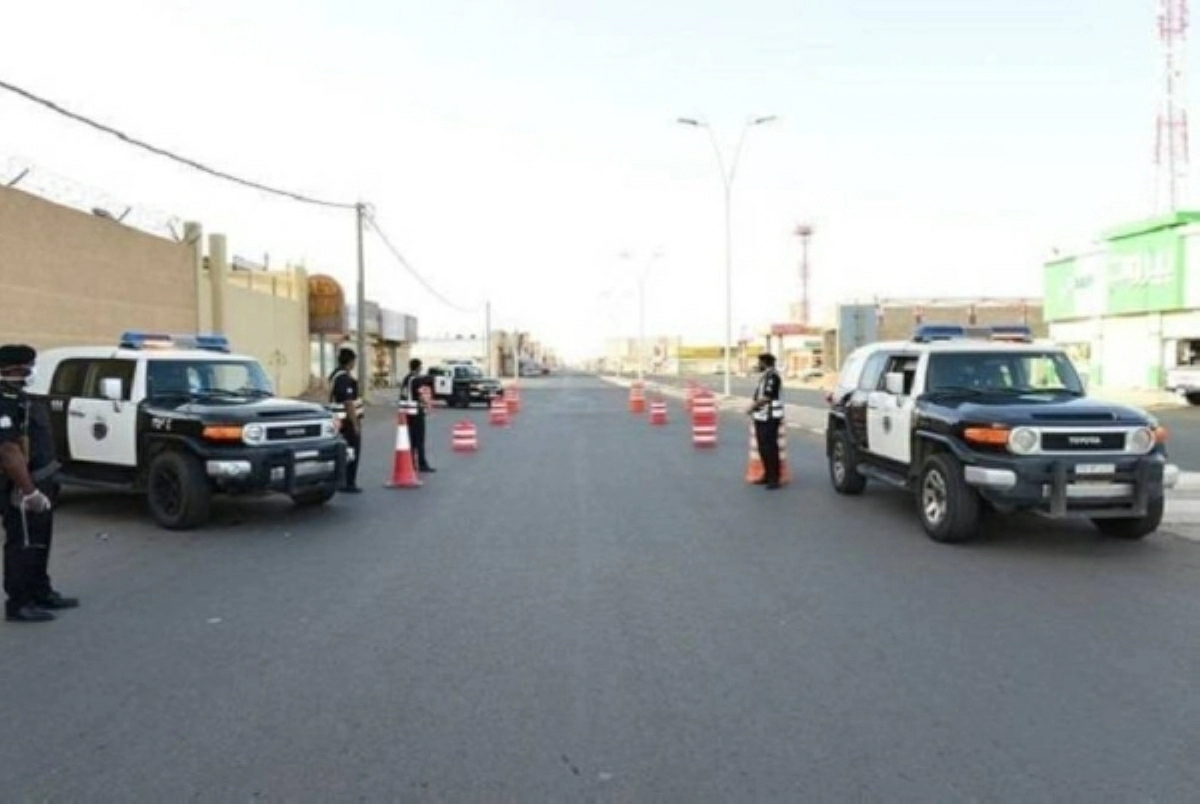
The Saudi Ministry of Interior reported that security authorities managed to arrest 12,192 illegal residents within a single week as part of joint inspection operations conducted in collaboration with relevant government agencies. These arrests took place between April 16 and 22.
The arrests included 6,606 violators of residency laws, 3,510 violators of border security laws, and 2,076 violators of labor laws. Additionally, 1,454 individuals were arrested while attempting to cross the borders into the Kingdom, with the largest percentage of detainees being Ethiopian nationals at 67%, followed by Yemenis at 32%, while other nationalities accounted for 1%.
Details of the Operation
Furthermore, 50 individuals were arrested while attempting to leave the Kingdom illegally. A total of 17,368 illegal residents were deported, while 20,318 violators were referred to their diplomatic missions for travel document processing, and 6,299 others were referred for completing travel ticket arrangements.
Authorities also apprehended 22 individuals involved in providing transportation, shelter, and employment to violators. Currently, 33,223 expatriates, including 30,666 men and 2,557 women, are undergoing legal procedures.
Background & Context
These measures are part of Saudi Arabia's efforts to enhance internal security and combat illegal immigration. In recent years, there has been an increase in the number of illegal immigrants, prompting the government to implement strict measures to control borders and regulate the labor market.
Saudi Arabia is considered a primary destination for expatriate labor in the region, as the government seeks to balance local market needs with national security requirements. Reports indicate that many migrants face difficult conditions, making them vulnerable to exploitation.
Impact & Consequences
This campaign underscores the Saudi government's commitment to enforcing laws and regulations related to immigration and residency. These measures are expected to reduce the number of violators and enhance security in the country, positively impacting the national economy.
However, this campaign may provoke reactions from human rights organizations, which may express concerns about the treatment of migrants and illegal residents. Therefore, it is crucial for the government to balance law enforcement with the protection of individual rights.
Regional Significance
This campaign is part of broader efforts in the region to combat illegal immigration. Many Arab countries face similar challenges as they strive to regulate their labor markets and protect their citizens from unfair competition.
It is important for Arab countries to collaborate in sharing information and experiences to address this phenomenon, as illegal immigration affects social and economic stability in the region.
In conclusion, these serious measures taken by Saudi authorities reflect their commitment to combating illegal immigration and enhancing internal security, contributing to the stability of the country and the welfare of its citizens.