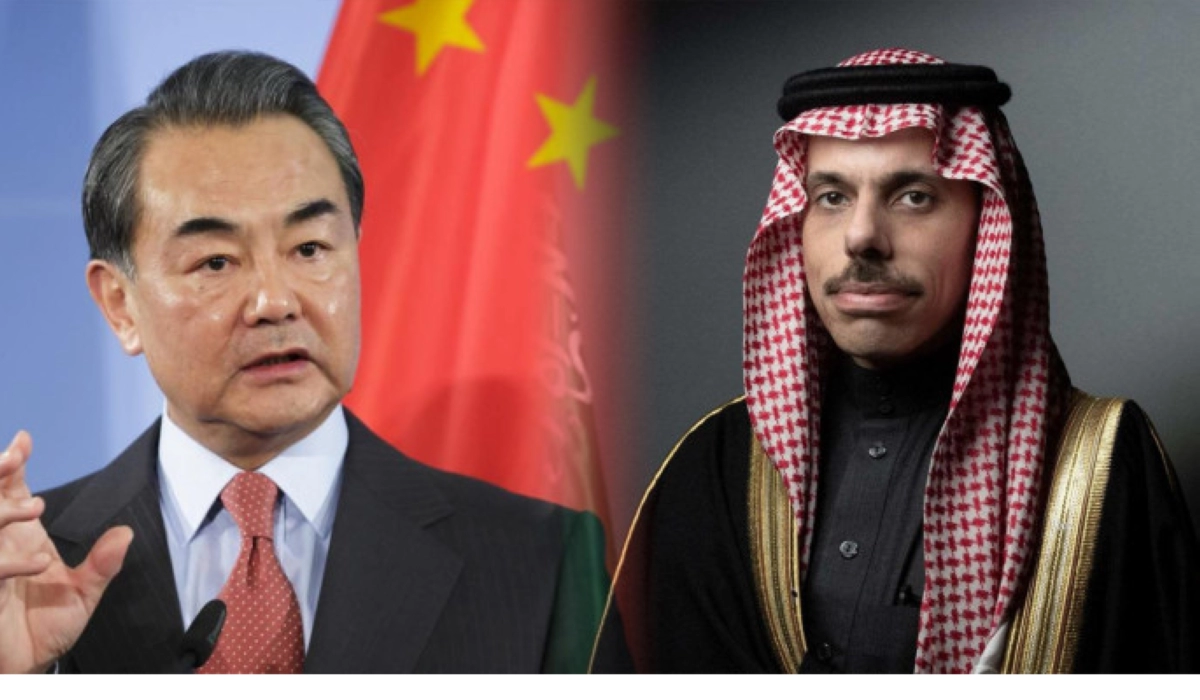
Saudi Foreign Minister, Prince Faisal bin Farhan, conducted phone calls on Thursday with both the Chinese Foreign Minister, Wang Yi, and the Japanese Foreign Minister, Toshimitsu Motegi. During these conversations, the latest developments in the region were addressed, reflecting the Kingdom of Saudi Arabia's interest in strengthening diplomatic relations with major global powers.
In the call with the Chinese minister, important regional issues were discussed, with both parties emphasizing the significance of bilateral cooperation in various fields, including economics and security. Meanwhile, the conversation with the Japanese minister focused on ways to enhance cooperation between the two countries, especially in light of current global challenges.
Details of the Engagement
These communications are part of the ongoing efforts by the Kingdom to bolster its role as an influential power in regional and international politics. Prince Faisal bin Farhan, who assumed office in 2019, aims to strengthen relations with major countries, particularly amid the political and economic changes occurring in the region.
The calls come at a time when the region is experiencing increasing tensions, particularly due to the multiple crises facing countries such as Iraq, Syria, and Yemen. Through these communications, Saudi Arabia seeks to enhance its position as a mediator in regional issues, reflecting its strategy to build strong alliances with major powers.
Background & Context
Historically, Saudi relations with China and Japan have been strong, with China being one of the Kingdom's largest trading partners, while Japan plays a significant role in energy and technology investments. In recent years, the relationship between Saudi Arabia and China has seen notable development, particularly within the framework of the Belt and Road Initiative launched by Beijing, aimed at enhancing economic cooperation among nations.
Conversely, Japan is considered a strategic partner for the Kingdom in energy and technology sectors, as Riyadh seeks to leverage Japanese expertise in developing its economic projects. These relations reflect Saudi Arabia's Vision 2030, which aims to diversify the economy and reduce dependence on oil.
Impact & Consequences
These communications carry significant implications for regional and international politics. By strengthening ties with China and Japan, Saudi Arabia aims to affirm its role as an influential power in the region, which could contribute to greater stability in the Middle East. Additionally, these communications may enhance cooperation in security and counter-terrorism, which is vital given the security challenges facing the region.
Moreover, these communications could lead to increased economic cooperation, potentially opening new avenues for investment and trade among the three countries. In light of global economic challenges, these relationships are essential for achieving sustainable growth.
Regional Significance
These developments directly impact the Arab region, as Arab countries seek to strengthen their relations with major powers to achieve their national interests. By enhancing cooperation with China and Japan, Arab nations can benefit from advanced investments and technologies, contributing to sustainable development.
In conclusion, Saudi communications with China and Japan reflect the Kingdom's strategic direction in enhancing its regional and international role. Amid increasing challenges, cooperation with these major powers remains vital for achieving security and stability in the region.