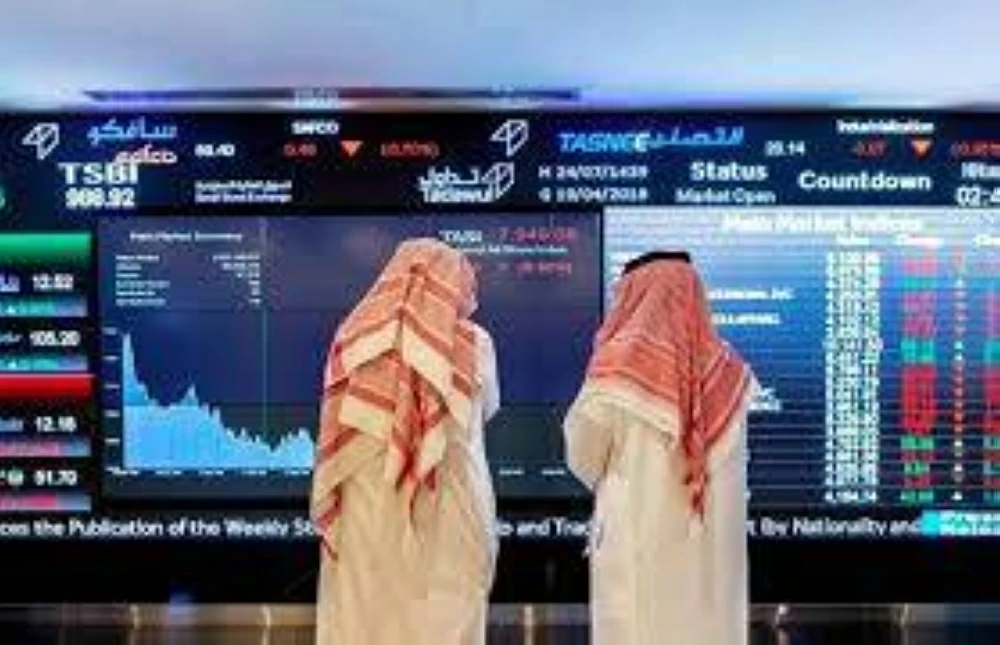
The Saudi stock index saw a significant rise of 46.95 points, reaching a level of 11168.51 points during an active trading session valued at 6 billion riyals. According to the daily economic bulletin from the Saudi Press Agency, the volume of traded shares reached 374 million shares, with shares of 182 companies increasing in value, while shares of 74 companies declined.
Leading the gainers were shares of Petro Rabigh, Saudi Kayan, Yansab, Gypsum Company, and SABIC. Conversely, the companies with the most significant declines included Abu Muti, Trading Group, Paper Industry, Cooperative Insurance, and Ma'aden. The percentage changes ranged from 9.96% to 4.07%.
Details of the Trading Session
During the trading session, the most active shares in terms of volume were from Americana, Saudi Kayan, Batak, Saudi Aramco, and Petro Rabigh. Meanwhile, the companies leading in terms of value were Al Rajhi, Saudi Aramco, SABIC, Saudi Kayan, and SABIC Agricultural Nutrients.
The parallel stock index NOMU also closed higher, gaining 154.06 points to reach 22949.23 points, with trading valued at 23 million riyals, and the volume of traded shares exceeded 2 million shares.
Background & Context
The Saudi financial market is one of the most prominent markets in the Middle East, showcasing continuous activity that reflects the strength of the national economy. This rise in the stock index comes amid improving global economic conditions, which boosts investor confidence in the Saudi market.
The Saudi government aims to diversify the economy and reduce reliance on oil, which helps attract foreign investments and enhances the performance of the financial market. Recent economic reforms play a significant role in improving the business environment.
Impact & Consequences
The rise in the Saudi stock index is a positive indicator of the health of the national economy, reflecting increased confidence in the market and encouraging further investments. This activity may lead to the creation of new job opportunities and stimulate economic growth.
This positive trend is expected to continue in light of government initiatives to enhance investments and develop infrastructure, contributing to sustainable economic growth in the long term.
Regional Significance
The performance of the Saudi financial market serves as a model for other Arab markets, potentially having a positive impact on neighboring markets. This strong performance reflects the ability of Arab countries to face economic challenges and achieve growth.
Moreover, the success of the Saudi market in attracting investments may encourage other countries to implement similar reforms, enhancing economic cooperation among Arab nations.
In conclusion, the rise in the Saudi stock index reflects the strength of the national economy and investor confidence, heralding a promising future for the financial market in the Kingdom.