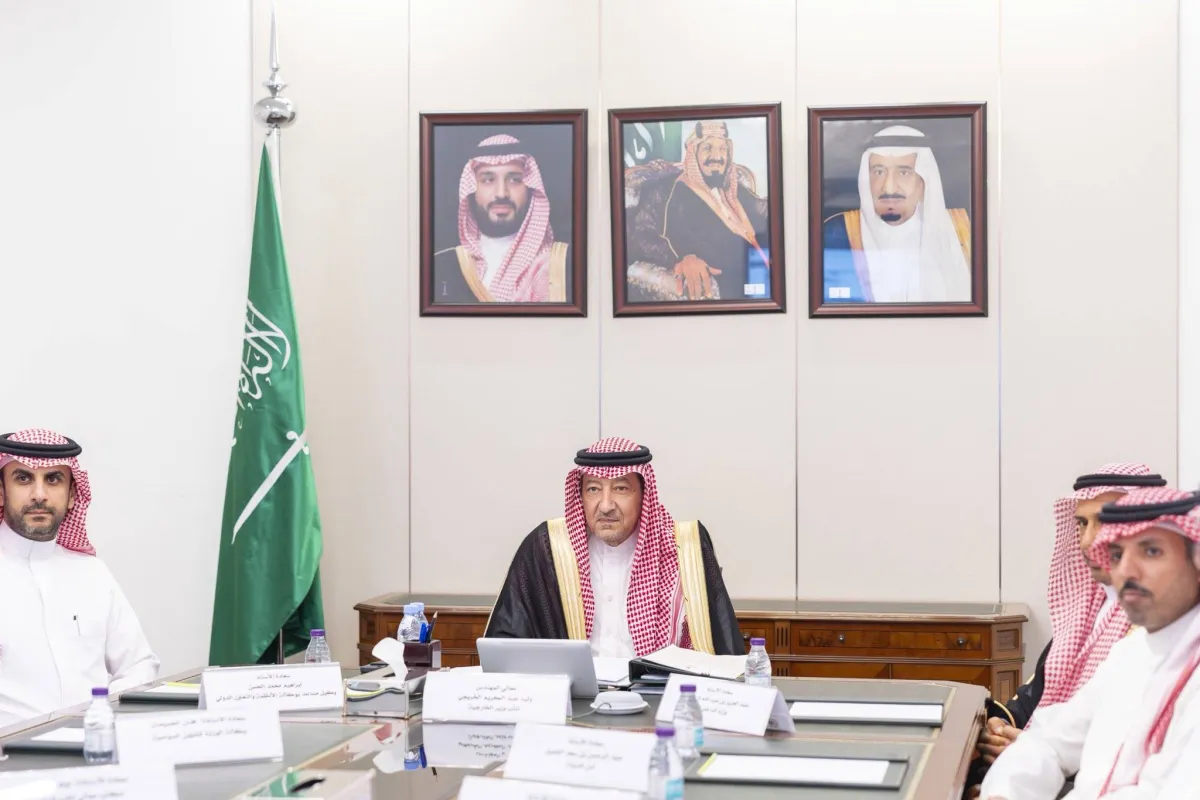
The Saudi-Turkish Political and Diplomatic Committee convened its second meeting, focusing on enhancing bilateral relations between the Kingdom of Saudi Arabia and Turkey. The virtual meeting took place during a sensitive period that necessitates increased bilateral and multilateral coordination on issues of common interest.
The meeting was chaired by Saudi Deputy Foreign Minister Waleed Al-Khuraiji and his Turkish counterpart, Ambassador Musa Kulaklı Kaya, who signed the meeting minutes after discussions concluded. This gathering is part of ongoing efforts to bolster cooperation between the two countries across various fields.
Details of the Meeting
During the meeting, participants emphasized the importance of coordination between the two nations to address regional and international challenges. They discussed issues of mutual interest, including the situation in the region and efforts to achieve security and stability. Participants expressed their commitment to enhancing bilateral relations in a manner that serves the interests of both peoples.
In a related context, Crown Prince Mohammed bin Salman, who is also the Prime Minister of Saudi Arabia, chaired a consultative Gulf summit held in Jeddah, where several topics related to regional and international developments were discussed. The summit underscored the need to unify the Gulf stance and enhance coordination among member states.
Background & Context
These meetings occur against a backdrop of escalating regional tensions, particularly amid the multiple crises facing the area. Several experts have pointed out the significance of these gatherings in strengthening the collective security of Gulf states and avoiding any potential escalation. The discussions also covered Pakistani mediation efforts between the United States and Iran, aimed at containing the crisis and opening negotiation pathways.
Historically, Saudi-Turkish relations have seen notable developments, with attempts to enhance cooperation in various fields, including economics and security. These meetings reflect the commitment of both countries to strengthen their strategic partnership in facing common challenges.
Impact & Consequences
Analysts expect that this coordination will contribute to enhancing security and stability in the region, especially given the current tensions. Strengthening relations between Saudi Arabia and Turkey could open new avenues for collaboration in various economic and political fields, benefiting both nations.
At the same time, the importance of these meetings is highlighted in reinforcing the Gulf states' position in facing regional challenges, as Gulf countries seek to unify their efforts to counter any threats that may affect their security and stability.
Regional Significance
These meetings represent an important step towards enhancing Arab cooperation, potentially leading to the formation of new alliances that strengthen the ability of Arab states to confront challenges. Additionally, coordination between Saudi Arabia and Turkey may encourage other countries in the region to enhance their bilateral relations, contributing to greater stability.
In conclusion, the significance of these meetings is underscored as part of ongoing efforts to enhance regional and international cooperation, reflecting both countries' commitment to achieving security and stability in the region.