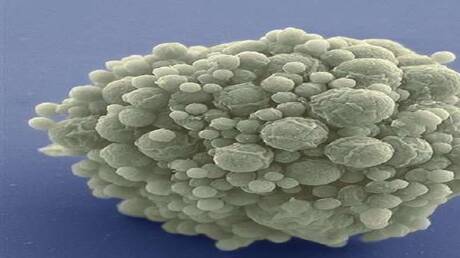
A team of scientists has made a remarkable scientific achievement by transferring a complete genome from a living bacteria to a dead one, effectively bringing it back to life. This step is considered the first of its kind in the field of synthetic biology, paving the way for new horizons in understanding vital processes and the potential of genetic engineering.
The new innovation comes at a time when the world is witnessing significant advancements in the life sciences, as scientists strive to explore new possibilities in disease treatment and therapy development. This achievement reflects the ability of scientists to manipulate genes and innovatively reshape living organisms.
Details of the Event
In a pioneering experiment, researchers transferred the complete genome from a living bacteria to a dead one, which led to the reactivation of its vital processes. This operation requires advanced techniques in genetic engineering, utilizing tools such as CRISPR for precise gene editing.
The bacteria that were revived serve as an ideal model for studying how genes function and their impact on living organisms. This achievement opens the door to further research aimed at understanding how life can be reshaped, and it may have significant implications in various fields such as agriculture and medicine.
Background & Context
Historically, attempts to revive living organisms relied on traditional techniques, but this achievement represents a qualitative leap in this field. Scientists had previously demonstrated the possibility of transferring genes between organisms, but bringing a dead organism back to life through the transfer of a complete genome is an unprecedented step.
Synthetic biology is an emerging field where scientists aim to design new living organisms that could play a role in addressing environmental and health challenges. This achievement is part of ongoing efforts to enhance our understanding of genes and their influence on life.
Impact & Consequences
This innovation could have far-reaching effects across multiple fields, including medicine and agriculture. In medicine, it could lead to the development of new treatments for incurable diseases by reprogramming cells. In agriculture, it may contribute to improving crops and increasing productivity.
Moreover, this achievement could open the door to developing living organisms specifically designed for certain purposes, enhancing scientists' ability to tackle the environmental and health challenges faced by the world today.
Regional Significance
In the Arab region, this achievement could have a significant impact on scientific research and development. Arab countries seeking to enhance their capabilities in science and technology could benefit from these innovations to boost scientific research and develop local solutions to health and environmental challenges.
Additionally, investing in synthetic biology could contribute to enhancing food security by developing drought-resistant and disease-resistant crops, thus strengthening the ability of Arab countries to face agricultural challenges.
This scientific achievement opens new horizons for understanding life and the possibilities of genetic engineering, reflecting the capacity of scientists for innovation and development. It is expected to have significant impacts across various fields, underscoring the importance of scientific research in achieving sustainable development.