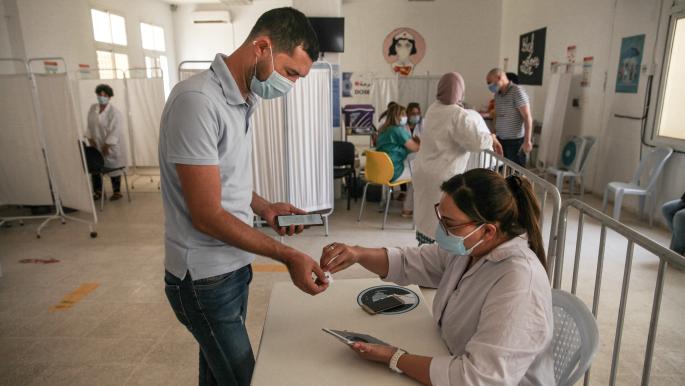
In a significant move, Tunisian President Kais Saied has authorized financial allocations for the Central Pharmacy, aiming to ensure a continuous supply of medications in the market. This decision comes as patients face a severe shortage of essential drugs, raising widespread concern among citizens.
During his visit to the Central Pharmacy on March 25, President Saied emphasized the importance of providing medications continuously, noting that these financial allocations will help improve the health situation in the country. This visit has sparked new hopes among patients suffering from a lack of essential drugs.
Details of the Event
The Central Pharmacy in Tunisia is responsible for distributing medications across the country and has faced significant challenges in recent years due to funding and resource shortages. President Saied's decision is part of the government's efforts to improve the health system and meet citizens' needs.
The new funding plan includes allocating an additional budget for the institution, enabling it to purchase necessary medications and distribute them more quickly. It has been confirmed that this step is in line with the government's commitment to enhance the health sector and provide necessary healthcare to citizens.
Background & Context
Tunisia has long faced issues within its health system, with many citizens suffering from a lack of essential medications. Economic and political crises have affected the government's ability to provide the necessary funding for the health sector, exacerbating the situation.
In recent years, Tunisia has witnessed widespread protests from patients and health workers demanding improved health conditions and the availability of medications. These protests have been a testament to the growing frustration among citizens due to the lack of drugs and health services.
Impact & Consequences
The securing of financial allocations for the Central Pharmacy is expected to improve the health situation in Tunisia, allowing for better fulfillment of patients' needs. Additionally, this step may enhance trust between citizens and the government, potentially contributing to political stability in the country.
However, the biggest challenge remains how to manage these funds and ensure that past crises do not recur. It requires transparency and careful monitoring to guarantee that medications reach the patients in need.
Regional Significance
Tunisia's experience in addressing medication shortages serves as a model that other Arab countries facing similar issues in their health systems can benefit from. This step could act as an incentive for other countries to adopt similar policies to improve health services.
In light of the increasing health crises in the region, it is crucial for governments to adopt effective strategies to ensure the provision of essential medications and health services to their citizens. Improving the health system is not only a humanitarian duty but also a prerequisite for achieving social and political stability.
In conclusion, President Kais Saied's decision to secure financial allocations for the Central Pharmacy represents a positive step towards improving the health situation in the country. However, continuous efforts are required to ensure the success of this initiative and effectively meet citizens' needs.