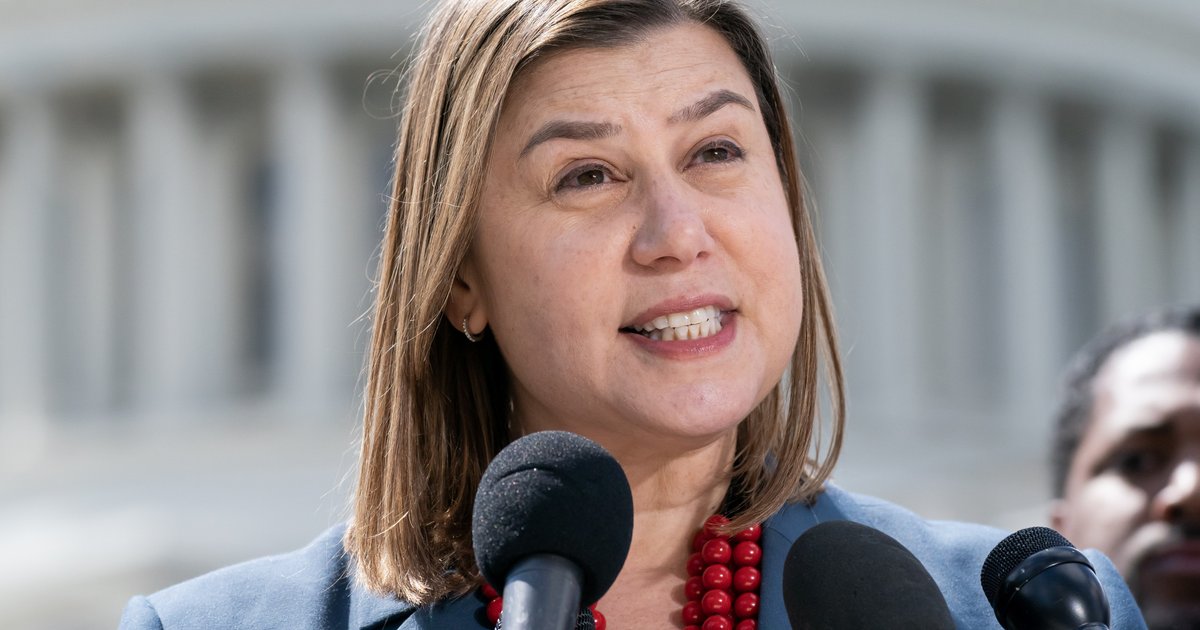
Senator Elissa Slotkin, the Democratic candidate from Michigan, is advancing her campaign in Iowa by engaging with voters who backed former President Donald Trump. This move is part of her effort to win support from voters across various political affiliations, as she seeks to strengthen her position in the upcoming elections.
During these meetings, Slotkin listened to voters' concerns and aspirations, discussing various issues such as the economy and healthcare. These interactions reflect her desire to connect with all segments of the community, including those who may be hesitant to support her.
Details of the Campaign Strategy
Iowa is considered one of the key states that play a significant role in American elections, known as a testing ground for candidates. Slotkin has chosen this state as a platform for her campaign, focusing on issues that matter to local voters. Through these meetings, she hopes to build bridges of trust with voters who may be dissatisfied with the current situation.
Slotkin, representing a new generation of politicians, aims to present a fresh vision that transcends partisan divides. She has emphasized in her statements the importance of dialogue and communication with all parties, even those who disagree with her viewpoints.
Background & Context
This campaign comes at a sensitive time for American politics, as divisions between the Republican and Democratic parties are increasing. Four years after Trump's presidency, his influence remains evident among voters, making it essential for Democratic candidates like Slotkin to engage with the voter base that once supported Trump.
Historically, Iowa has been seen as a launching point for many election campaigns, with voters there having the power to influence election outcomes. Therefore, any attempt to win over Trump voters could have significant implications for the future of the campaign.
Impact & Consequences
This step by Slotkin illustrates how politicians can transcend traditional party boundaries, potentially leading to a shift in political dynamics. If she succeeds in gaining the support of Trump voters, it could open new opportunities for Democrats in states that have traditionally been strongholds for Republicans.
Moreover, this strategy could affect how other candidates engage with their voters, possibly leading to a transformation in the way future campaigns are conducted. Amid rising polarization, there may be an urgent need to adopt new methods of communication with voters.
Regional Significance
The significance of this campaign extends beyond Iowa, as it reflects broader trends in American politics where candidates are increasingly seeking to unite rather than divide. Slotkin's efforts to reach out to Trump supporters may signal a shift towards more inclusive political strategies.
In conclusion, Slotkin's campaign in Iowa represents a critical attempt to bridge partisan divides and attract support from a diverse voter base, which could have lasting effects on the political landscape in the lead-up to the elections.