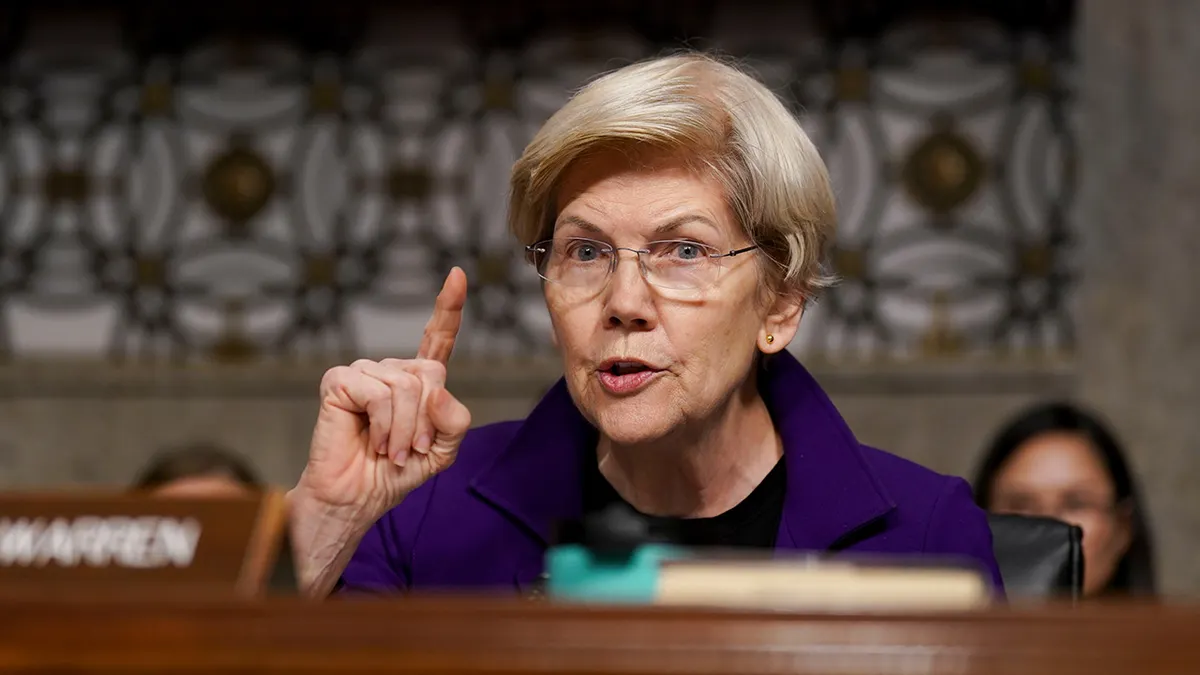
In a move reflecting ongoing tensions between lawmakers and financial regulators, Senator Elizabeth Warren has pressed U.S. regulators to clarify whether they plan to take action to limit lender control. This comes after former President Donald Trump called earlier this year for a temporary cap of 10% on credit card interest rates, a proposal that has not resulted in any noticeable changes thus far.
Warren, known for her criticism of financial policies that negatively impact consumers, seeks to highlight what she perceives as a failure by regulators to protect consumers from rising interest rates. She emphasized that the current situation requires urgent intervention from stakeholders to ensure that lenders do not exploit consumers.
Details of the Hearing
During a hearing, Warren inquired about the steps that regulators, such as the Consumer Financial Protection Bureau, could take to curb high interest rates on credit cards. She pointed out that many American households are struggling with increasing financial burdens due to rising borrowing costs, necessitating a swift and effective government response.
As interest rates continue to climb, consumers face significant challenges in managing credit card debt. Studies have shown that a large percentage of Americans are unable to pay their debts on time, increasing their financial pressures.
Background & Context
Historically, credit card interest rates have been a contentious issue in the United States. Recent years have seen a notable rise in interest rates, prompting many lawmakers to call for reforms. The Consumer Financial Protection Bureau was established in 2010 as part of the financial reform law, aimed at protecting consumers from harmful financial practices.
However, criticisms directed at this bureau suggest that it has not been effective enough in addressing current challenges. Warren believes it is time to renew efforts to protect consumers, especially given the current economic conditions.
Impact & Consequences
If regulators respond to Warren's calls, it could lead to significant changes in how the credit card system operates in the United States. New restrictions on interest rates may be imposed, potentially alleviating financial burdens on consumers.
However, there are concerns that such measures could reduce credit availability, as lenders may hesitate to issue new loans if interest rates are capped. Thus, balancing consumer protection with ensuring the sustainability of the financial market will be a significant challenge for lawmakers.
Regional Significance
While this issue focuses on the U.S. market, its impact may extend to the Arab region. Rising interest rates in the United States can influence global financial markets, including those in Arab countries. Consequently, any changes in U.S. financial policies could affect investments and trade in the region.
Ultimately, the question remains open as to how regulators will respond to these pressures and whether they will take effective steps to protect consumers amid current economic conditions.